Back-to-School Vision Check: Why Summer Is the Best Time for an Eye Exam
Back-to-School Vision Check: Why Summer Is the Best Time for an Eye Exam
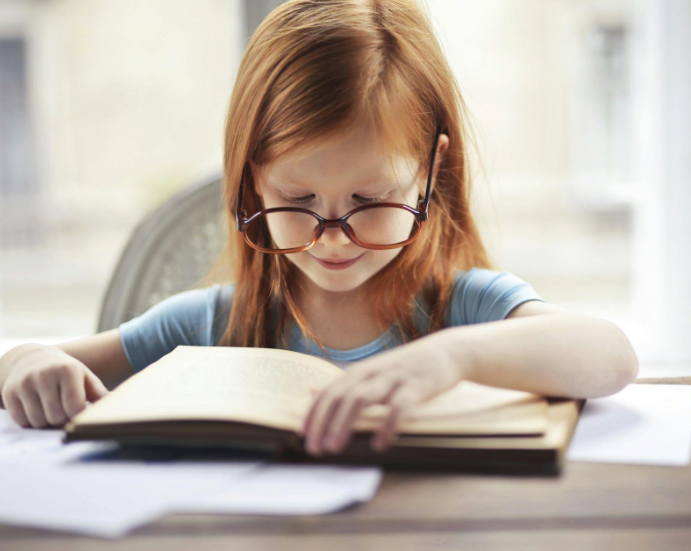
Summer may be filled with vacations, camps, and time outdoors, but it’s also the perfect season to schedule your child’s annual eye exam. As the back-to-school season approaches, making sure your child’s vision is in top shape can make a huge difference in their academic performance and overall well-being.
The Role of Good Vision In Academic Success
From reading books and taking notes to seeing the whiteboard and interacting with technology, much of what students do in school depends on their ability to see clearly. If your child is struggling with undetected vision issues, it can lead to difficulties in the classroom that may be mistaken for learning or attention problems.
Scheduling an eye exam before school starts allows any potential vision issues to be caught early. Whether it’s nearsightedness, farsightedness, astigmatism, or another concern, identifying these problems ahead of time means your child will start the school year prepared and focused. When vision is corrected, students are more confident, engaged, and better able to keep up with the pace of the school day.
Summer Schedules Are Less Hectic
During the school year, families juggle packed schedules filled with homework, after-school activities, sports, and weekend commitments. Summer break gives both kids and parents a much-needed break from the daily rush, making it easier to find time for appointments.
Since children are not missing school for an eye exam during the summer, parents can avoid the hassle of coordinating time off or sending in absence notes. It also gives children the time to adjust to
new glasses if needed, so they are fully comfortable and confident by the time they head back to class.
Undiagnosed Vision Problems Can Impact Behavior and Learning
It’s not uncommon for children to be unaware that they have a vision problem. Many kids assume everyone sees the way they do, so they may not complain or mention any issues. This is why routine eye exams are so important. A child with poor vision might avoid reading, struggle to focus, or experience headaches, all of which can affect their performance in school.
Sometimes, these signs are misunderstood as behavioral issues or attention difficulties. Teachers and parents may not immediately suspect a vision problem when a child has trouble following instructions or keeping up in class. A comprehensive eye exam can provide clarity and make sure your child gets the support they need.
Vision Screenings Aren’t Enough
While many schools offer basic vision screenings, these are not a substitute for a comprehensive eye exam. Screenings typically check for visual acuity at a distance, which means other important aspects of vision, such as eye coordination, depth perception, and focusing ability, might be overlooked.
A full exam conducted by an eye care professional includes a thorough evaluation of the entire visual system. This allows the professional to detect more subtle problems that could still impact learning, even if your child passes a school screening.
Early Detection Leads to Long-Term Benefits
The sooner a vision issue is detected, the easier it is to treat. In some cases, early intervention can prevent a problem from getting worse or even reverse certain conditions. For instance, amblyopia, which is often called lazy eye, can be treated more effectively when caught at a younger age.
Summer exams provide the opportunity to track your child’s eye health year after year and catch any changes early. Regular eye care builds a strong foundation for healthy vision throughout childhood and beyond. By establishing a routine of annual exams now, you’re helping your child create healthy habits that will last a lifetime.
Glasses and Contacts Need Time to Adjust
If your child does need corrective lenses, summer is the perfect time to get used to them. Adjusting to glasses or contact lenses can take time, especially for younger children or first-time wearers. During the school year, this adjustment period might cause distractions, discomfort, or self-consciousness.
By getting glasses during the summer, children can wear them consistently and become comfortable with how they look and feel. They’ll be able to focus on learning, not on adjusting to new eyewear, when they return to school. Plus, there’s time to return for any adjustments or replacements before the school year begins.
Vision Needs Change As Kids Grow
Children’s eyes develop and change as they grow, which is why consistent checkups are essential. Even if your child had perfect vision last year, that may not be the case this year. Growth spurts and increased screen time can contribute to changes in eyesight, and these changes often happen gradually.
Summer eye exams provide a benchmark to track your child’s development and catch any shifts early. Keeping up with regular exams helps you stay ahead of potential problems so your child doesn’t fall behind academically due to something as simple and fixable as needing a new prescription.
Screen Time and Digital Eye Strain Are on the Rise
Today’s students use screens more than ever. Between tablets, laptops, smartphones, and smartboards, digital learning is now a regular part of the school day. While technology can be a great tool, too much screen time can lead to digital eye strain, also known as computer vision syndrome.
Symptoms like
dry eyes, blurred vision, and headaches are becoming increasingly common, even in young children. A summer eye exam can identify any signs of digital strain and offer solutions, such as blue light filtering lenses or reminders to take screen breaks. By managing screen time effects before school starts, you’re setting your child up for greater comfort and better focus.
Make this school year the best one yet by starting with a summer vision check. Our friendly and experienced team at
Ross Eye Institute can make sure your child’s eyes are healthy and ready for the classroom.
Contact us today to get your child booked in before heading back to school!