Why Ordering from Your Local Optical Shop Is Better Than Buying Glasses Online

Why Ordering from Your Local Optical Shop Is Better Than Buying Glasses Online
1Why Ordering from Your Local Optical Shop Is Better Than Buying Glasses Online | Ross Eye Institute

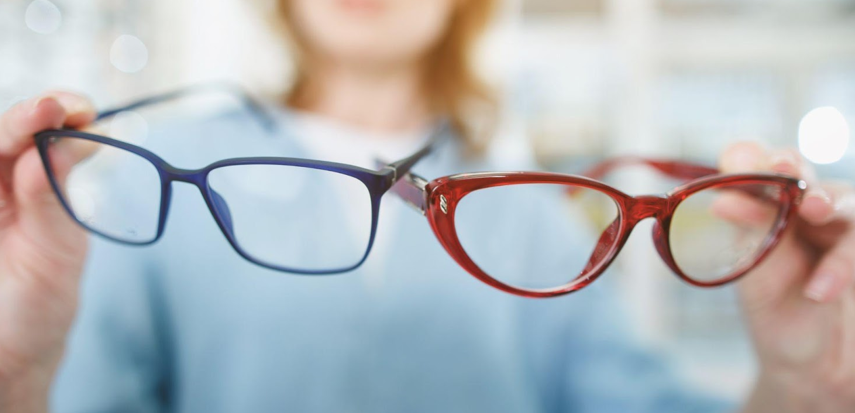
The convenience of shopping online for everything from clothes to electronics has certainly transformed how we make purchases. However, when it comes to something as essential as prescription eyeglasses, opting for your local optical shop provides significant advantages that online stores simply cannot match. 


Here are some personalized services and benefits you can get by choosing an optical shop


In-Depth Frame Material Expertise

Whether you’re looking for lightweight titanium for all-day wear, acetate frames for hypoallergenic needs, or sturdy plastic for durability, your optician can help. They will match your specific needs with the right frame material for comfort and longevity.


Beyond aesthetics, when trying on frames one on one, our optician is trained to look at aesthetics, size, proportion and fit on the bridge of your nose.


They’ll also educate you on how materials affect factors like frame flexibility, weight, and durability.  This level of personalization ensures you are picking eyewear that fits your needs, and style as well as your facial features.


Real-Time Lens

Optical shops have samples of photochromic lenses (which adjust to light changes), and polarized lenses that reduce glare and antiglare (antireflective) lenses. Along with hands on samples, your licensed opticians can provide technical information as to the impact of lens options, visual benefits to match your lifestyle. 


Accurate Pupillary Distance (PD) Measurements

Online stores often provide tools or guides to measure your pupillary distance (PD) and frame fit at home, however accuracy is best left to trained professionals. Licensed opticians are trained to use specialized equipment, take precise PD measurements and assess other key metrics like vertex distance, pantoscopic tilt, and segment height for multifocal lenses. Accuracy, personal and individual attention to these details directly impact your visual clarity, particularly for complex and/or high prescriptions and technologically advanced lens types.


Tailored Style Consultation

Ill-fitting glasses can cause discomfort, headaches, and visual distortions, which are problems that cannot be easily resolved by an online purchase. Opticians at local optical shops offer expert fitting services to make sure that the frame fits perfectly before lenses are ordered. At dispense of your eyewear, your local optician will adjust the frames, nose pads, and temples to make sure that the glasses sit comfortably on your face.


Advanced Lens Coating Options

Depending on your prescription and lifestyle, you may need lenses with specific features. Optical shops let you see and feel the difference between coatings such as anti-reflective. We have no sample to show UV blocking layers and scratch resistance. Looking through a blue light filter does not give immediate effect. Wearing blue light protection is felt overtime, and not instantaneously viewing through a sample. However, the optician can discuss technical techniques and various ways blue light protection can be added to your glasses.


Immediate Adjustments and Repairs

Frames that pinch your nose, slide down your face, or dig into your temples can quickly become unbearable. Your online order does not include fitting and adjustments


When ordered from a local optical shop, fitting and adjusting is included as part of your one on one experiential service. Opticians adjust frames to fit the unique contours of your face, offering you maximum comfort. 


They consider factors like the angle of your nose bridge, the width of your head, and the length of the temple arms.


Allergy-Safe Options

Some people are allergic to certain materials, such as nickel or certain coatings. These physical shops provide hypoallergenic frame and lens options and can guide you toward selections that won’t irritate your skin. This level of customization and care is rarely available online.


Seamless Multifocal Integration

Multifocal lenses, such as bifocals and progressives require precise measurement. In-person consultations can make sure that your lenses are properly aligned and customized to you ordering premium lenses. With online purchases ordering generic lenses, many people experience visual distortions, the “swim effect”.


Ongoing Maintenance and Care

After purchasing glasses online, it can be difficult to get follow-up support if you have questions or concerns about your new eyewear. However, in an optical shop, the experts are available to follow up with you, make sure your glasses are working well, and provide adjustments or repairs if necessary. They will show you how to properly clean, store, and maintain your glasses to prevent damage. 


Assistance with Insurance and Financing

Reviewing insurance coverage, filing insurance claims to assure your insurance coverage is maximized is included as part of our service.


Leave the uncertainties of an online store and come visit us at your local optical shop,
Ross Eye Institute. To experience the difference that professional guidance and hands-on service can make for you and your eyewear.
July 29, 2026
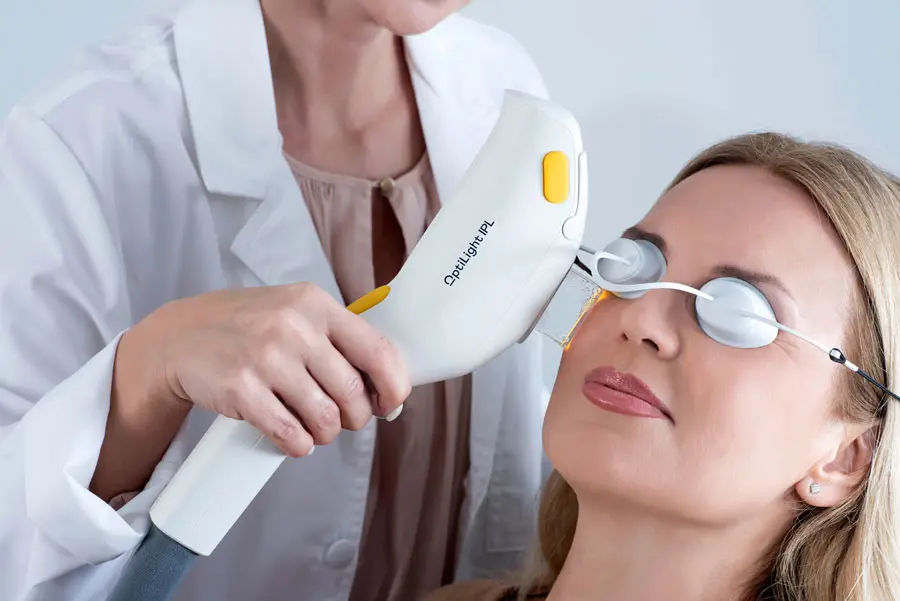
Dry, irritated eyes can make everyday activities such as uncomfortable. Artificial tears and other treatments may deliver temporary relief but do not always provide a permanent solution to the underlying cause of chronic dry eye. For many patients, the problem begins with meibomian gland dysfunction (MGD), a common condition that affects tear film quality. At Ross Eye Institute at UBMD, we use advanced technology to treat the root cause of dry eye with OptiLight® IPL (Intense Pulsed Light) and OptiPLUS™ , helping patients achieve long-lasting comfort and healthier eyes. What Is Meibomian Gland Dysfunction (MGD)? The meibomian glands are tiny oil-producing glands located along the edges of your eyelids. These glands release oils that help prevent tears from evaporating too quickly. When the glands become blocked or stop functioning properly, tears evaporate faster, leading to dry eye symptoms such as: Burning or stinging eyes Redness Blurred vision Gritty or sandy sensation Watery eyes Eye fatigue Light sensitivity MGD is a leading cause of dry eye disease and frequently worsens over time without treatment. What Is OptiLight® IPL? OptiLight® is an FDA-approved Intense Pulsed Light (IPL) treatment specifically tailored to manage dry eye disease associated with meibomian gland dysfunction. During treatment, the skin around the eyes is exposed to controlled pulses of light. These gentle pulses help reduce inflammation, improve meibomian gland function, and decrease abnormal blood vessels that contribute to chronic dry eye. Many patients notice gradual improvement after a series of treatments, with benefits including: Reduced dry eye symptoms Improved tear stability Less eyelid inflammation Greater comfort during daily activities Boosted overall eye health The procedure is non-invasive, requires little or no downtime, and usually takes a short office visit. What Is OptiPLUS™? OptiPLUS™ is often used alongside OptiLight® to deliver a more comprehensive treatment for dry eye disease. Following IPL therapy, OptiPLUS™ gently clears blockages from the meibomian glands, allowing healthy oils to flow more freely into the tear film. This combination targets both inflammation and gland obstruction, two major contributors to evaporative dry eye. Through combining these advanced technologies, patients may experience more effective and longer-lasting relief than with traditional treatments alone. Who May Benefit from IPL Dry Eye Treatment? OptiLight® and OptiPLUS™ may be recommended for patients who: Have chronic dry eye symptoms Have been diagnosed with meibomian gland dysfunction Depend on artificial tears multiple times each day Experience eyelid inflammation or redness Have not found sufficient relief from conventional treatments Spend long hours using digital devices A comprehensive eye exam lets your eye care specialist determine if these treatments suit your individual needs. What to Expect During Treatment Your provider will first evaluate your eyes and eyelids to determine the severity of your dry eye disease and meibomian gland function. During an OptiLight® session, protective shields cover the eyes while pulses of light are delivered to the treatment area. Patients often describe the sensation as a mild snapping against the skin. If OptiPLUS™ is included in your treatment plan, your provider will then gently express the meibomian glands to remove blockages and restore healthy oil flow. Most treatment plans include a series of treatments scheduled several weeks apart to get the best possible results. Find Lasting Relief from Dry Eye Living with chronic dry eye does not have to be your new normal. Advanced therapies like OptiLight® IPL and OptiPLUS™ treat the underlying causes of evaporative dry eye rather than just masking symptoms.  At Ross Eye Institute at UBMD, our experienced eye care specialists extend personalized dry eye evaluations and advanced treatment options to help restore comfort, improve tear quality, and protect your long-term eye health. If dry, irritated eyes are affecting your quality of life, schedule an appointment to learn whether OptiLight® and OptiPLUS™ are right for you.
June 30, 2026
Red, itchy, irritated eyes can be frustrating and uncomfortable. Many people assume these symptoms are caused by allergies, but dry eye syndrome can produce similar signs. Understanding the difference between dry eye and eye allergies is important to find the right treatment and protect your long-term eye health. At Ross Eye Institute at UBMD, our specialists work hard to identify the source of their symptoms and develop specific treatment plans to improve comfort and vision. Understanding Dry Eye Dry eye occurs when the eyes don’t make sufficient tears or when they evaporate too quickly. Tears play a key part in keeping the surface of the eye lubricated, nourished, and protected. Several variables lead to dry eye syndrome, including: • Aging • Extended screen time • Certain medications • Hormonal changes • Environmental conditions such as wind or dry air • Preexisting health conditions Dry eye symptoms may include: • Burning or stinging sensations • Gritty or sandy feeling in the eyes • Blurred vision • Eye fatigue • Sensitivity to light • Excessive tearing as a response to irritation Symptoms often worsen after reading, computer use, or prolonged visual tasks, so many patients notice discomfort later in the day. Understanding Eye Allergies Allergic conjunctivitis is a reaction to environmental allergens in which the eyes become inflamed. Common triggers include pollen, dust mites, pet dander, mold, and seasonal allergens. When the eyes come into contact with an allergen, the immune system responds by sending histamines through the body that cause inflammation and irritation. Common symptoms of eye allergies include: • Intense itching • Redness • Watery eyes • Swollen eyelids • Burning sensations • Mucus discharge Unlike dry eye, allergy symptoms often occur alongside other allergy-related issues such as sneezing, nasal congestion, or a runny nose. Key Differences Between Dry Eye and Eye Allergies Although the symptoms can overlap, several important differences may help distinguish between the two conditions. Itching Is More Common with Allergies Itching is often the hallmark symptom of eye allergies. While dry eye may cause irritation or discomfort, significant itching is more likely to be associated with an allergic reaction. Dry Eye Often Causes a Gritty Feeling Many patients with dry eye describe feeling as though sand or a foreign object is trapped in their eyes. This experience is less common with allergies. Allergies Usually Produce More Tearing Eye allergies often trigger excessive watering as the body responds to allergens. Dry eye can also cause reflex tearing, yet the eyes still feel dry. Symptoms May Follow Seasonal Patterns If symptoms worsen during spring or fall allergy seasons, eye allergies may be the cause. Dry eye symptoms persist year-round and may worsen in dry environments or during lengthy screen use. When to Schedule an Eye Examination Dry eye and eye allergies can look very similar, so a professional eye examination is often the best way to determine the underlying cause. You should schedule an evaluation if you experience: • Persistent redness or irritation • Ongoing blurry vision • Eye discomfort that does not improve • Frequent tearing or dryness • Light sensitivity • Symptoms that impede daily activities An eye care professional can assess tear production, evaluate the ocular surface, and find signs of allergies or other eye conditions. Finding Relief for Your Symptoms Proper diagnosis is the primary pathway to effective treatment. Dry eye management may include artificial tears, prescription medications, habit modifications, or advanced therapies. Eye allergy treatment often focuses on avoiding triggers and using antihistamines or anti-inflammatory medications when appropriate. At Ross Eye Institute at UBMD, we provide comprehensive eye care services to help patients find relief from dry eye symptoms, eye allergies, and other vision concerns. If you are experiencing ongoing eye irritation, scheduling a thorough optical test can determine the source and restore your comfort and eye health.
How Systemic Diseases Show Up in the Eyes
May 31, 2026
The eyes often reveal early signs of systemic health conditions, such as diabetes, high blood pressure, and autoimmune disorders, before other symptoms develop.
Ocular Migraines: What They Are and When to Seek Care
May 1, 2026
Ocular migraines can be frightening, especially for those who experience visual disturbances without warning. Although often temporary...
Eye Floaters and Flashes: When Are They a Warning Sign?
April 20, 2026
Many people notice eye floaters and flashes at some point in their lives. Most of the time, these symptoms are harmless, but sometimes they can...
What Causes Sudden Vision Changes? When It’s an Emergency | Rosseye.com
March 1, 2026
Sudden vision changes are alarming and shouldn’t be ignored. If it’s blurriness, light flashes, or vision loss, these signs may indicate a serious underlying eye condition.
February 1, 2026
Seasonal Eye Care in Western New York: How Snow, Wind, and Cold Affect Your Vision
When to Choose Specialty Contact Lenses | Ross Eye Institute
January 1, 2026
For those with unique vision challenges, irregular corneas, or complex prescriptions, specialty contact lenses can make all the difference.
Specialized Care for Diabetic Retinopathy | Ross Eye Institute
December 2, 2025
For individuals living with diabetes, that window to the world can blur, leading to one of the most common yet preventable complications: Diabetic Retinopathy.
Caring for Our Eye Health as We Age | Ross Eye Institute
November 4, 2025
Here’s what you need to know about how aging affects your eyes, what to watch for, and how to keep your vision strong and healthy.