Ocular Migraines: What They Are and When to Seek Care
Ocular Migraines: What They Are and When to Seek Care

Ocular migraines can be frightening, especially for those who experience visual disturbances without warning. Although often temporary and harmless, understanding what ocular migraines are, why they occur, and when to seek care is important for protecting your long-term eye health. At Ross Eye Institute at UBMD, our physicians help patients recognize symptoms early and get appropriate care when needed.
What Are Ocular Migraines?
An ocular migraine refers to visual symptoms that may or may not come with a headache. These disturbances include flashing lights, zigzag patterns, blind spots, or shimmering areas in your vision. Episodes usually last 10 to 30 minutes and resolve naturally on their own.
There are two common types of ocular migraines:
- Migraine with aura: Visual changes affect both eyes and may occur before or during a migraine headache.
- Retinal migraine: A rarer condition that affects only one eye and may cause brief vision loss or blindness in that eye.
Although ocular migraines can be unsettling, most are not linked to serious eye conditions. Distinguishing between types is important because some symptoms overlap with more serious concerns.
What Causes Ocular Migraines?
The exact cause isn’t well known for ocular migraines, but it is thought to involve blood flow changes or electrical activity in the brain. Certain triggers may increase the chance of an episode, including:
- Stress or anxiety
- Bright or flashing lights
- Hormonal changes
- Dehydration
- Lack of sleep
- Certain foods or caffeine
Identifying personal triggers plays a key role in reducing how often ocular migraines occur.
Symptoms to Watch For
Ocular migraines primarily affect vision, and symptoms may include:
- Flashes of light or sparkles
- Blind spots (scotomas)
- Sparkling or zigzag patterns
- Brief vision loss in one eye (in retinal migraines)
- Headache following visual symptoms (in some cases)
Because these symptoms can resemble other eye or neurological conditions, it is important not to ignore them, especially if they are new or worsening.
When to Seek Care
Most ocular migraines resolve without treatment, but medical evaluation is necessary in some cases. Seek care if:
- Visual disturbances last longer than 30–60 minutes
- You experience vision loss in only one eye
- Symptoms occur frequently or suddenly worsen
- You have additional symptoms including dizziness, confusion, or weakness
- This is your first experience with these symptoms
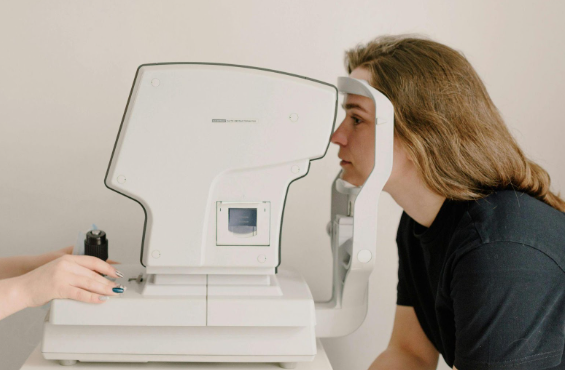
A comprehensive eye exam can determine whether your symptoms are from ocular migraines or another condition that requires treatment.
Managing and Preventing Ocular Migraines
Managing ocular migraines commonly involves daily routine changes and avoiding triggers. Helpful strategies include:
- Being hydrated
- Maintaining a steady sleep schedule
- Cutting down screen time and digital eye strain
- Managing stress via relaxation techniques
- Wearing sunglasses in bright environments
Your provider may recommend medications or further evaluation if migraines are frequent or disruptive.
Protecting Your Vision and Overall Health
Ocular migraines can be disruptive but are often controllable with the right knowledge and care. Understanding your symptoms and when to seek evaluation can greatly improve comfort and long-term eye health.
At Ross Eye Institute at UBMD, we provide complete evaluations and customized care to help patients manage ocular migraines and other vision concerns. If you experience unusual visual symptoms, scheduling an eye exam is an important step to protect your vision and peace of mind.