Eye Floaters and Flashes: When Are They a Warning Sign?
Eye Floaters and Flashes: When Are They a Warning Sign?
Many people notice eye floaters and flashes at some point in their lives. Most of the time, these symptoms are harmless, but sometimes they can be a sign of a more serious eye problem. The specialists at Ross Eye Institute at UBMD encourage everyone to know when these symptoms mean you should see a doctor right away to protect your vision.
Common Symptoms of Floaters and Flashes
Floaters and flashes can show up suddenly and may be mild or strong.
Typical symptoms include:
• Small specks, dots, or thread-like shapes drifting across your vision
• Sudden flashes of light, especially in peripheral vision
• A cobweb or shadow-like appearance that moves with eye movement
• Increased number of floaters over a short period
• Temporary blurred or dimmed vision
You might notice these symptoms more when you look at something bright, like a clear sky or a white screen.
What Causes Floaters and Flashes?
Floaters and flashes often happen because of changes in the vitreous, which is the gel-like material inside your eye. As people get older, this gel can shrink and pull away from the retina. This is called posterior vitreous detachment (PVD).
This process can:
• Create floaters as small clumps form in the vitreous
• Trigger flashes when the vitreous tugs on the retina
• Occur naturally without causing long-term harm in many cases
But sometimes, this pulling can cause more serious problems that need quick medical attention.
When Floaters and Flashes Signal a Problem
Most of the time, floaters or flashes are not dangerous. However, some changes can mean there is a more serious problem with the retina. Watch for these warning signs:
• A sudden increase in floaters
• Frequent or persistent flashes of light
• A shadow, curtain, or dark area in your field of vision
• Partial vision loss or significant blurring
• Symptoms affecting only one eye and worsening over time
These symptoms could mean you have a retinal tear or retinal detachment. Both are medical emergencies.
Retinal Abnormalities and Urgent Care
The retina is needed for you to see clearly, and damage to it can harm your vision. If the vitreous pulls too hard, it can tear the retina. If this is not treated, it can lead to retinal detachment, which means the retina comes away from the back of the eye.
Promptly getting treatment is very important. Acting early can often prevent permanent vision loss, but waiting too long can cause more serious problems. Seeking help when to get help right away can make a big difference. See an eye doctor immediately if you have: if you experience:
• A sudden burst of new floaters
• Flashes of light that do not go away
• A curtain or darkness moving across your vision
• Sudden vision loss or distortion
• Eye symptoms following trauma or injury
Even if your symptoms seem mild, do not ignore them. Finding the problem early means treatment is more likely to work.
Extensive Evaluation and Treatment
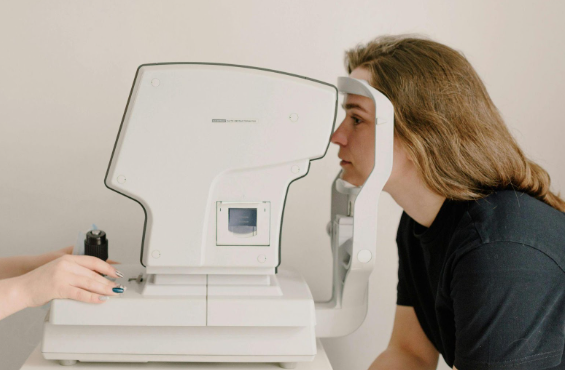
At Ross Eye Institute at UBMD, patients get careful eye exams with the latest technology. Our specialists check your eyes closely, using tests like retinal imaging and dilation, to find out what is causing your floaters and flashes.
Treatment depends on what is found during your exam. Sometimes, we just watch harmless changes. Other times, urgent treatment is needed for retinal problems. Our team works together to make sure you get the right care quickly.
Protecting Your Vision Through Awareness
Floaters and flashes are often a normal part of getting older, but it is important to pay attention to any changes in your vision. Regular eye exams, taking care of your health, and seeing a doctor when you notice symptoms all help keep your eyes healthy for the long term.
Trusted Eye Care When It Matters Most
Floaters and flashes can be worrying, but knowing when they are a problem can help you protect your vision. At Ross Eye Institute at UBMD, we are here to give you expert care, whether your eye problem is routine or urgent.
If you notice new or worsening floaters or flashes, do not wait. Make an appointment with our team so we can check your eyes and help protect your vision.