How Systemic Diseases Show Up in the Eyes
How Systemic Diseases Show Up in the Eyes
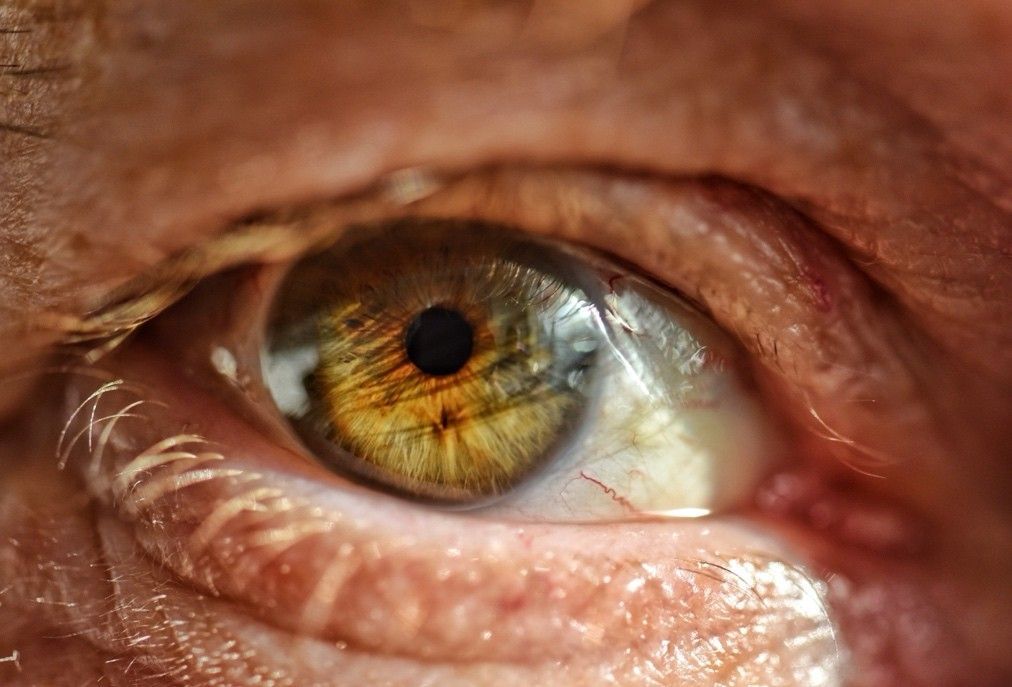
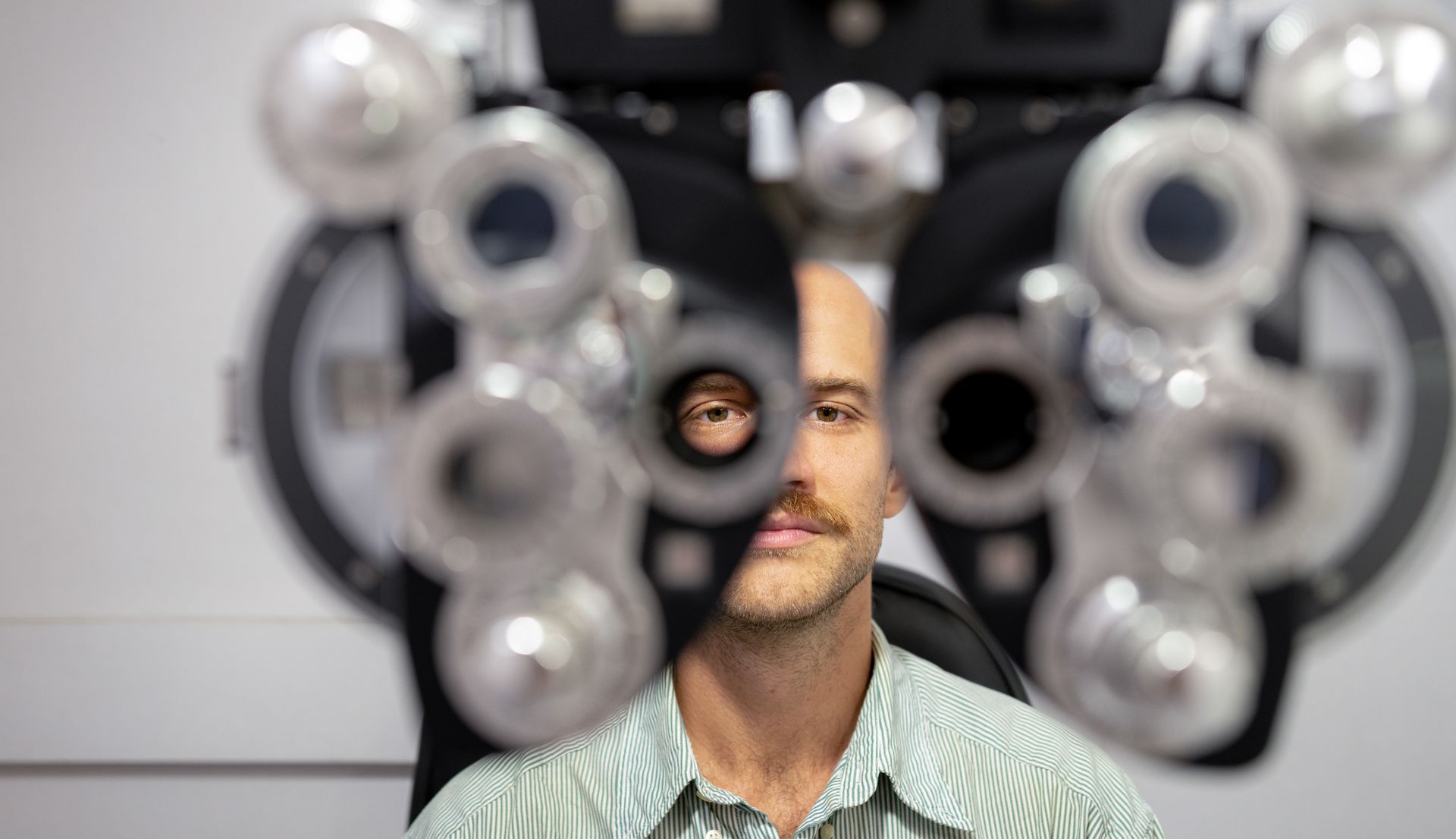
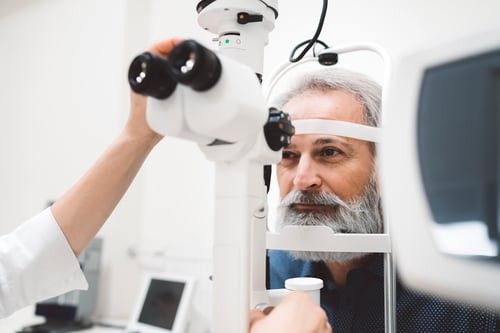
The eyes often reveal early signs of systemic health conditions, such as diabetes, high blood pressure, and autoimmune disorders, before other symptoms develop. At Ross Eye Institute at UBMD, our physicians use comprehensive eye examinations to help patients detect these warning signs and protect both vision and overall health.
The Connection Between Eye Health and Overall Health
The eyes contain delicate blood vessels, nerves, and tissues that are closely linked to the rest of the body. As a result, many systemic diseases directly affect the eyes. Routine eye exams can reveal signs of disease before other symptoms appear.
Alterations in vision, inflammation, or blood vessel damage in the eye may indicate an underlying medical condition that requires rapid attention. Early detection improves therapeutic results and helps prevent complications.
Diabetes and the Eyes
Diabetes is a common systemic disease associated with eye problems. In the retina, High blood sugar can hurt the small blood vessels, leading to diabetic retinopathy. This condition frequently develops gradually and may show few early symptoms.
Common diabetes-related eye symptoms may include:
- Blurry vision
- Floaters or dark spots
- Fluctuating vision changes
- Difficulty seeing at night
- Vision loss in advanced cases
People with diabetes are also at higher risk for glaucoma and cataracts. Regular diabetic eye exams are essential for monitoring retinal health and preventing long-term vision loss.
High Blood Pressure and Vision Changes
Hypertension also applies to blood vessels in the eyes. Hypertensive retinopathy may cause narrowing or leakage of retinal blood vessels over time.
Signs of high blood pressure in the eyes can include:
- Blurred vision
- Eye strain
- Retinal bleeding
- Swelling of the optic nerve
In severe cases, uncontrolled blood pressure can cause permanent vision loss. Eye exams may reveal blood vessel damage before patients are aware of elevated blood pressure.
Autoimmune Diseases and Eye Inflammation
When the immune system attacks healthy tissues, autoimmune diseases occur. Several autoimmune diseases can cause inflammation within the eye, leading to discomfort and vision problems.
Conditions commonly linked to eye inflammation include:
- Rheumatoid arthritis
- Lupus
- Multiple sclerosis
- Sjögren’s syndrome
Symptoms may include redness, dryness, light sensitivity, eye pain, or blurred vision. Untreated chronic inflammation can damage eye structures and affect long-term vision.
Thyroid Disease and Eye Symptoms
Certain thyroid disorders, especially Graves’ disease, can affect the muscles and tissues surrounding the eyes. This may cause:
- Bulging eyes
- Dryness or irritation
- Double vision
- Eye pressure or discomfort
- Difficulty fully closing the eyelids
Diagnosis and treatment early on help manage symptoms and reduce complications that affect comfort and vision.
When to Seek an Eye Evaluation
Do not ignore sudden or worsening eye symptoms. Schedule an eye examination if you experience:
- Sudden blurry vision
- Persistent eye redness or pain
- Flashes of light or floaters
- Double vision
- Vision loss
- Ongoing dryness or irritation
Comprehensive eye exams do more than assess eyesight; they also deliver valuable insight into your overall health.
Protecting Your Vision and Your Health
Systemic diseases often leave important clues in the eyes. Early identification allows timely medical care and helps protect vision from long-term complications.
At Ross Eye Institute at UBMD, we offer complete eye care and advanced diagnostics to help patients maintain healthy vision and overall wellness. If you notice changes in your vision or have a chronic health condition, scheduling a comprehensive eye exam is a crucial step in protecting your long-term health.