Seeing the Bigger Picture: Specialized Care for Diabetic Retinopathy
Seeing the Bigger Picture: Specialized Care for Diabetic Retinopathy
Diabetes doesn’t just affect your blood sugar; it can quietly change the way you see the world. For individuals living with diabetes, that window to the world can gradually blur, leading to one of the most common yet preventable complications: Diabetic Retinopathy.
What makes this condition especially concerning is that it often develops unnoticed, damaging vision long before symptoms appear. That’s why specialized, consistent eye care is one of the most crucial aspects of diabetes management.
Here’s why protecting your vision starts with understanding and proactive medical attention.
1. Understanding Diabetic Retinopathy
Diabetic Retinopathy develops when prolonged high blood sugar damages the delicate blood vessels in the retina, the light-sensitive tissue at the back of the eye responsible for turning light into visual signals. Over time, these vessels can swell, leak, or close off entirely, reducing oxygen supply and leading to vision loss.
Without proper management, it can advance silently until symptoms like blurriness or dark spots become impossible to ignore. The condition can also cause new, fragile vessels to grow, which are prone to bleeding, further clouding vision if not treated promptly.
2. Early Signs You Shouldn’t Ignore
In its early stages, Diabetic Retinopathy may show subtle or even no symptoms, which is why regular eye exams are essential. Early indicators include fluctuating vision, mild blurriness, or difficulty distinguishing colors.
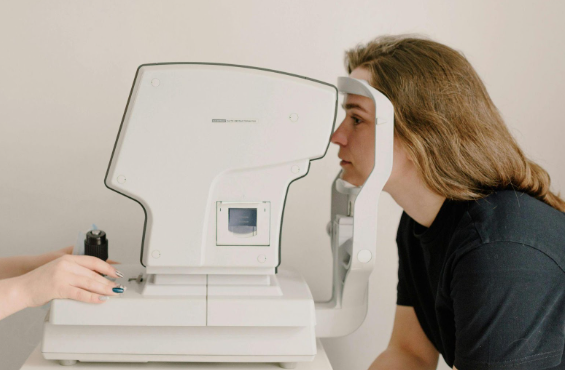
Advanced imaging tools such as optical coherence tomography (OCT) and fluorescein angiography help detect even microscopic retinal changes, long before they affect daily life. Consistent annual screenings for individuals with diabetes can make the difference between treatable early-stage disease and irreversible vision loss.
3. Why Timely Diagnosis Matters
The earlier retinal complications are identified, the more effective the treatment outcomes can be. Diabetic Retinopathy doesn’t reverse on its own, but timely intervention can significantly slow or stop its progression. Routine screening also helps detect related conditions such as macular edema or neovascularization, both of which can threaten central vision.
4. Advanced Retinal Imaging and Testing
Modern retinal care has evolved far beyond traditional eye exams. Today’s high-resolution digital imaging and diagnostic technologies can map and monitor your retina’s health in real time. This ensures that every treatment decision is based on precise, data-driven insight into disease progression.
Techniques like wide-field retinal imaging allow specialists to view areas not visible through standard eye exams, giving a more comprehensive understanding of retinal health.
5. Precision Treatment Tailored to You
There is no one-size-fits-all approach to Diabetic Retinopathy. Depending on the stage and severity, treatments may include anti-VEGF injections to block abnormal blood vessel growth, laser photocoagulation to seal leaky vessels, or vitrectomy to restore clarity in advanced cases.
Some patients may even benefit from a combination of therapies to achieve the best results. Individualized treatment ensures that each person receives the right balance of care for both immediate relief and long-term vision preservation.
6. The Role of Professional Ophthalmologists
The complexity of Diabetic Retinopathy care demands the precision and experience of professional ophthalmologists. Their specialized training allows for accurate diagnosis and tailored intervention for each unique retinal condition.
Skilled ophthalmologists can also differentiate between other diabetes-related complications, such as cataracts or glaucoma, ensuring that no aspect of ocular health is overlooked. Having a trusted professional oversee ongoing care adds both safety and confidence to the recovery process.
7. Comprehensive Eye Services Under One Roof
Managing diabetic eye disease often requires a multidisciplinary approach, and access to comprehensive eye services in one place can streamline care. From retina diagnostics and laser therapy to cataract evaluation and glaucoma management, coordinated eye services promote efficient, connected treatment.
This integrated care model not only saves time but also ensures continuity, as all your eye needs are addressed through a unified medical perspective.
8. Managing Diabetes, Protecting Vision
Vision care and diabetes management are deeply connected. High blood sugar can weaken blood vessels, increase swelling, and accelerate the development of retina-related complications. That’s why collaboration between your eye doctor, endocrinologist, and primary care provider is crucial.
Controlling blood sugar levels, maintaining healthy cholesterol, and managing blood pressure all contribute to slower disease progression and improved treatment outcomes.
9. Long-Term Monitoring and Preventive Care
Even after successful treatment, ongoing monitoring remains key to maintaining a clear vision. Diabetic Retinopathy can reappear, and consistent follow-ups ensure that any recurrence is caught early.
Long-term care programs using advanced imaging track subtle retinal changes over time. This proactive approach not only prevents future complications but also helps patients maintain daily independence, confidence, and safety in their everyday visual activities.
10. Empowering Patients Through Awareness
Understanding how diabetes impacts your eyes is one of the most powerful steps toward prevention. When patients are informed about the importance of regular screenings, early treatment, and lifestyle management, they become active participants in their care.
Awareness also extends to family members; encouraging loved ones with diabetes to get screened can prevent countless cases of avoidable vision loss.
A Clearer Tomorrow
Diabetic Retinopathy doesn’t develop overnight; it’s a slow, silent process that requires vigilance and timely medical attention. Specialized retinal care bridges the gap between early detection and lasting protection, allowing individuals to preserve not just their sight but also their quality of life.
The goal isn’t just to treat the condition; it’s to ensure patients continue to see, work, and live with visual freedom for years to come.
Ross Eye Institute is your trusted expert in protecting and preserving vision through comprehensive, specialized eye care.
Get in touch today to schedule an appointment or learn more about how expert retinal care can help you see the bigger picture clearly and confidently.