Custom-Made Clarity: When to Choose Specialty Contact Lenses—And Why It Matters
Custom-Made Clarity: When to Choose Specialty Contact Lenses—And Why It Matters
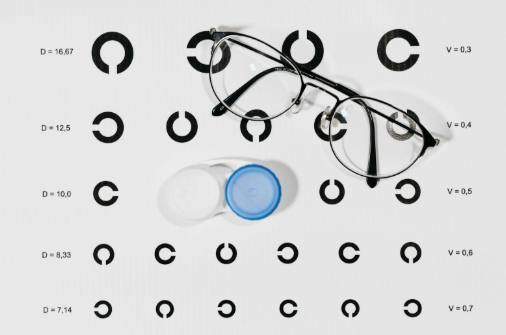
For many people, contact lenses offer a convenient and comfortable alternative to glasses. They provide freedom, flexibility, and a natural field of vision that enhances daily life. But not all eyes are the same—and not all lenses can meet every need. For those with unique vision challenges, irregular corneas, or complex prescriptions, specialty contact lenses can make all the difference. These custom-made lenses go beyond standard soft contacts, offering precision, comfort, and clarity tailored to the individual’s eye structure and visual requirements.
Understanding Specialty Contact Lenses
Specialty contact lenses are designed for patients whose vision cannot be fully corrected with regular soft lenses or glasses. Unlike mass-produced lenses that come in predetermined shapes and parameters, specialty lenses are custom-fitted to the unique shape, size, and curvature of your eyes. They can correct more advanced or irregular visual conditions and provide better comfort for sensitive or difficult-to-fit eyes.
There are several types of specialty lenses, including rigid gas permeable (RGP) lenses, scleral lenses, hybrid lenses, and orthokeratology (Ortho-K) lenses. Each serves a different purpose. RGP lenses offer crisp vision and are durable for long-term use. Scleral lenses, larger in diameter, vault over the cornea and rest on the white part of the eye, making them ideal for individuals with dry eyes or irregular corneas. Hybrid lenses combine the clarity of RGP with the comfort of soft lenses. Ortho-K lenses, on the other hand, are worn overnight to gently reshape the cornea and temporarily correct vision during the day—an appealing option for those who want clear vision without daytime lenses.
When to Consider Specialty Contact Lenses
You may not realize you need specialty lenses until standard contacts fail to provide sharp or comfortable vision. One of the most common reasons for turning to specialty lenses is keratoconus, a condition in which the cornea thins and bulges outward, creating an irregular cone-like shape. Standard lenses cannot conform to this irregular surface, leading to blurred or distorted vision. Scleral or RGP lenses are often used in these cases to create a smooth optical surface that restores visual clarity.
Other conditions that may call for specialty lenses include severe astigmatism, corneal scarring, or complications after refractive surgery such as LASIK or PRK. Individuals with dry eye syndrome who find traditional lenses irritating may also benefit from scleral lenses, which create a tear-filled cushion between the lens and the eye to provide hydration and comfort.
In some cases, specialty lenses are recommended not only for medical reasons but also for lifestyle needs. Athletes, people who work in environments with dust or debris, or those who require exceptional precision vision—such as photographers or designers—may opt for lenses designed to enhance contrast sensitivity or reduce glare.
The Benefits of Customization
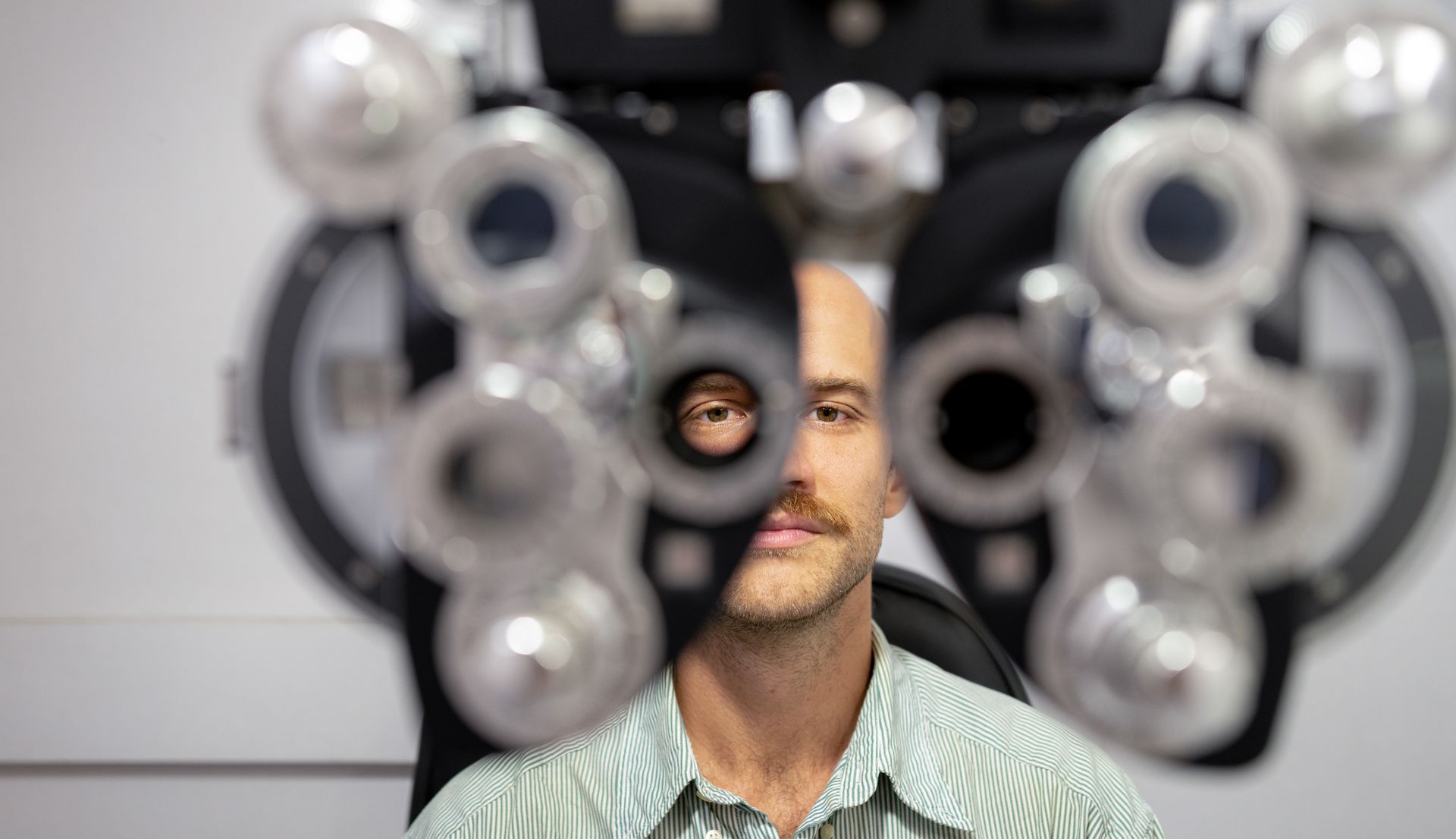
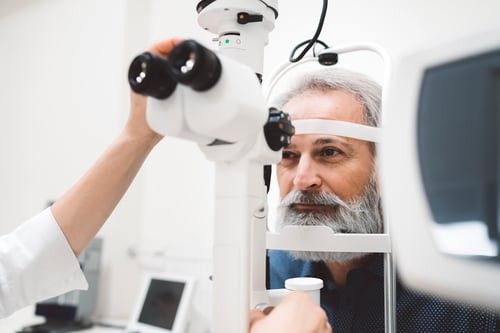
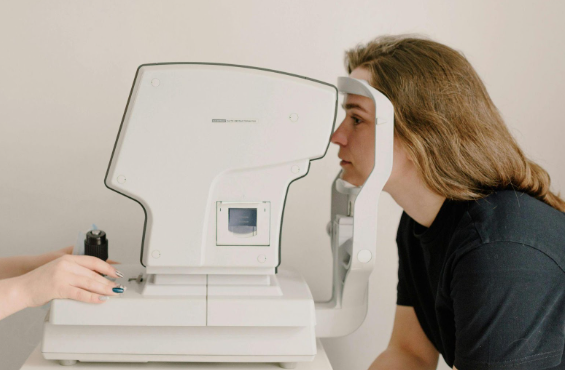
The greatest advantage of specialty contact lenses lies in their customization. During a fitting, your eye doctor performs detailed corneal mapping to measure even the smallest variations in shape and curvature. This data is then used to design lenses that align perfectly with your eyes. The result is a stable, comfortable fit that provides clearer and sharper vision than standard lenses can offer.
Because these lenses are made to order, they also reduce the risk of complications such as lens displacement, dryness, or discomfort that can occur when standard lenses don’t fit properly. The materials used in specialty lenses are typically more breathable, allowing higher oxygen transmission to the cornea, which is essential for maintaining long-term eye health.
Additionally, specialty lenses can be adjusted over time as your vision changes. If your prescription fluctuates or your corneal condition progresses, your optometrist can make precise modifications to the lens design without having to start from scratch. This adaptability makes specialty lenses a valuable investment in your vision health.
Why Proper Fitting and Follow-Up Are Essential
Choosing specialty contact lenses is not a one-time process. It involves a comprehensive fitting and follow-up schedule to ensure the lenses provide optimal vision and comfort. The fitting process may take longer than that of standard lenses because it requires detailed corneal imaging and multiple trials to find the right shape and material. However, this extra care pays off in the form of superior vision correction and comfort.
Regular follow-ups are crucial for monitoring the condition of your eyes and ensuring that the lenses continue to fit properly. Over time, even subtle changes in the eye’s surface can affect lens performance, and ongoing evaluation helps prevent complications like corneal hypoxia or irritation.
Patients who switch to specialty lenses often notice a significant improvement in both their vision and overall eye comfort. Many report that they are finally able to enjoy activities that were previously uncomfortable or visually challenging. Whether reading, driving, or using digital screens, the difference in clarity and stability can be life-changing.
Addressing Common Misconceptions
Some people hesitate to explore specialty contact lenses due to misconceptions about cost or comfort. While they may have a higher upfront cost compared to standard lenses, they are often more durable and longer-lasting. Because they are custom-made, they can also reduce the need for frequent replacements or additional corrective measures.
Comfort is another area where specialty lenses have advanced significantly. Modern scleral and hybrid lenses are made with highly breathable materials that retain moisture and minimize friction, making them suitable even for those who have struggled with lens intolerance in the past. In many cases, patients who previously thought they could never wear contacts find that specialty lenses are not only tolerable but more comfortable than glasses.
When to Talk to Your Eye Doctor
If you’ve been told that you’re “hard to fit” for contact lenses or if your vision remains blurry despite wearing standard lenses, it’s time to discuss specialty options with your eye doctor. Likewise, if you’ve had eye surgery, suffer from chronic dryness, or have corneal irregularities, a personalized fitting could dramatically improve your visual quality. Early evaluation is key because the sooner you address underlying eye conditions, the more effectively specialty lenses can support your long-term eye health.
At
Ross Eye Institute, our experienced optometrists specialize in fitting and managing specialty contact lenses for a wide range of visual needs. We take the time to understand your unique eye structure, prescription, and lifestyle to design lenses that offer unmatched comfort and precision. Whether you’re managing a complex condition like keratoconus or simply seeking better clarity than your current lenses provide, we’re here to help.
Schedule your comprehensive eye exam today and discover how custom-made specialty lenses can redefine the way you see the world.