Seasonal Eye Care in Western New York: How Snow, Wind, and Cold Affect Your Vision
Seasonal Eye Care in Western New York: How Snow, Wind, and Cold Affect Your Vision
Winter in Western New York has gorgeous scenery—but it also presents specific challenges for your eyes. Snow, wind, cold temperatures, and shorter daylight hours can all affect eye comfort, vision quality, and long-term eye health. At Ross Eye Institute at UBMD, our physicians emphasize the importance of seasonal eye care to help patients protect their vision during the chilly season.
How Cold Weather Impacts Eye Health
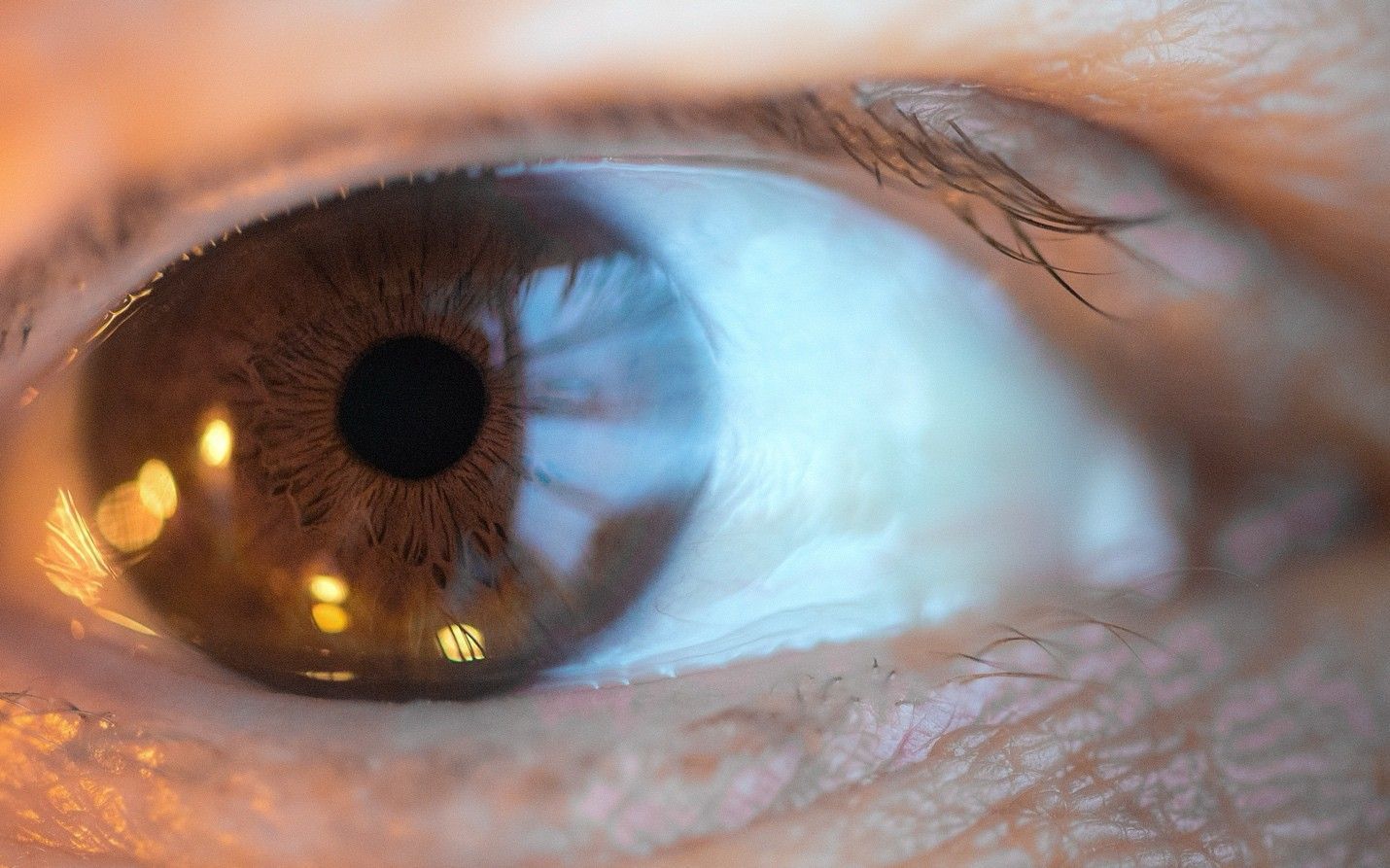
Cold air is less moist, which can lead to chronic dry, irritated eyes. Indoor heating further reduces humidity, worsening dryness and discomfort. Many patients feel burning, redness, blurred vision, or a gritty sensation during winter.
Frigid temperatures can also cause the tear film—the thin layer of moisture shielding the eye’s surface—to evaporate at a drastic rate. This makes people with dry eye disease the most vulnerable during the frost.
The Effects of Wind and Snow Glare
Winter winds make the eyes more vulnerable, increasing tear evaporation during outdoor activities such as walking, skiing, or shoveling. Exposure to winds often worsens dry eye conditions and inflames the eye surface.
Snow promotes another winter obstacle: glare. Fresh snow reflects a large amount of ultraviolet (UV) light, increasing exposure on cloudy days. Prolonged UV exposure can contribute to eye issues such as photokeratitis (snow blindness), cataracts, and other long-term eye damage.
Seasonal Risks for Contact Lens Wearers
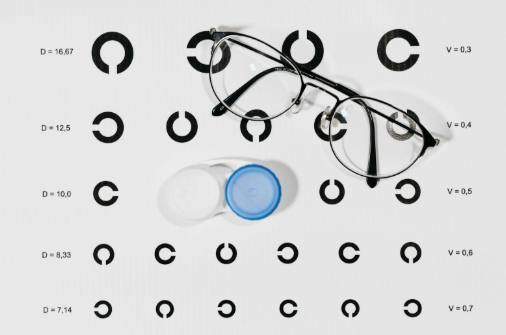
Contact lens wearers often feel less comfortable during winter. Dry indoor air and cold outdoor weather cause lenses to dry out at a faster pace, leading to irritation or burriness. Wearing lenses for extended periods without proper lubrication increases the risk of eye issues and corneal irritation.
Patients experiencing discomfort should speak with their eye care professional about changing lens wear time or using preservative-free artificial tears.
Winter Eye Care Tips from Ross Eye UBMD
Ross Eye Institute at UBMD recommends these methods for Western New York winters:
· Wear UV-protective sunglasses outside, around the snow
· Artificial tears - they relieve dryness and sustain moisture
· Wearing wraparound glasses or goggles to protect eyes from wind and cold
· Using a humidifier indoors, which adds moisture to the air
· Taking a step back from screens, thus reducing digital eye strain
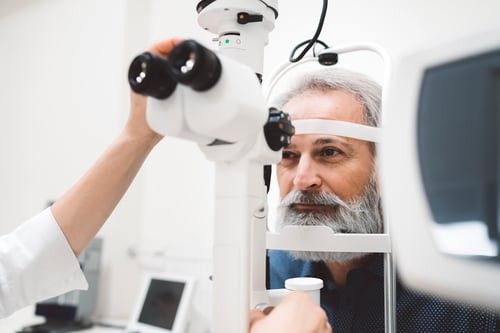
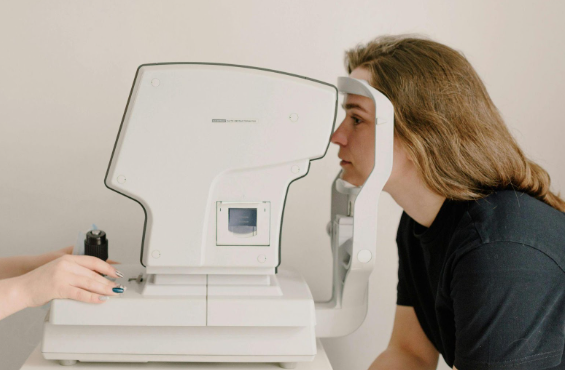
· Scheduling typical eye exams to evaluate eye health annually
These easy options improve comfort and help prevent seasonal eye issues.
When to See an Eye Care Specialist
If eye redness, pain, sensitivity to light, excessive tearing, or changes in vision persist, it’s crucial to seek a formal evaluation. Winter conditions can mask more serious issues that require medical treatment.
With Ross Eye Institute at UBMD, we provide comprehensive care for seasonal eye irritations, dry eye disease, vision changes, and complex eye health issues.
Protecting Your Vision All Year Long
Seasonal changes have a greater impact on eye health, especially in climates like Western New York. By knowing how winter weather affects your vision and practicing proactive steps, you can help sustain clear, comfortable vision throughout each season.
Schedule an eye exam with Ross Eye Institute at UBMD to ensure your eyes stay in good working order—no matter the weather.