Dry Eye vs. Eye Allergies: How to Tell the Difference
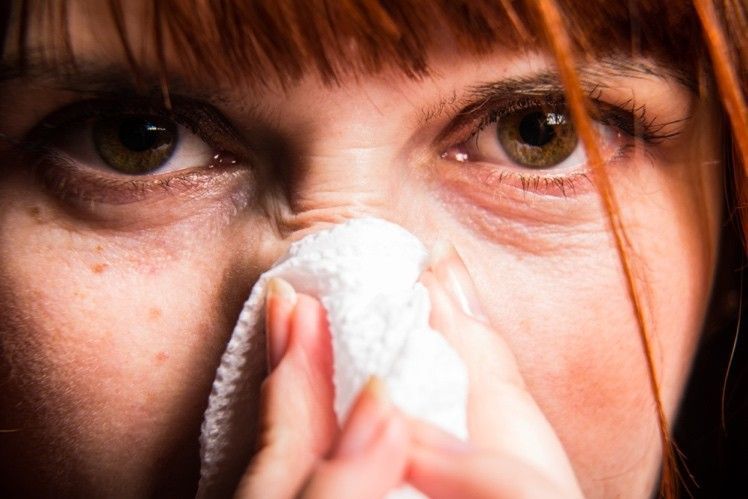
Red, itchy, irritated eyes can be frustrating and uncomfortable. Many people assume these symptoms are caused by allergies, but dry eye syndrome can produce similar signs. Understanding the difference between dry eye and eye allergies is important to find the right treatment and protect your long-term eye health.
At Ross Eye Institute at UBMD, our specialists work hard to identify the source of their symptoms and develop specific treatment plans to improve comfort and vision.
Understanding Dry Eye
Dry eye occurs when the eyes don’t make sufficient tears or when they evaporate too quickly. Tears play a key part in keeping the surface of the eye lubricated, nourished, and protected.
Several variables lead to dry eye syndrome, including:
• Aging
• Extended screen time
• Certain medications
• Hormonal changes
• Environmental conditions such as wind or dry air
• Preexisting health conditions
Dry eye symptoms may include:
• Burning or stinging sensations
• Gritty or sandy feeling in the eyes
• Blurred vision
• Eye fatigue
• Sensitivity to light
• Excessive tearing as a response to irritation
Symptoms often worsen after reading, computer use, or prolonged visual tasks, so many patients notice discomfort later in the day.
Understanding Eye Allergies
Allergic conjunctivitis is a reaction to environmental allergens in which the eyes become inflamed. Common triggers include pollen, dust mites, pet dander, mold, and seasonal allergens.
When the eyes come into contact with an allergen, the immune system responds by sending histamines through the body that cause inflammation and irritation.
Common symptoms of eye allergies include:
• Intense itching
• Redness
• Watery eyes
• Swollen eyelids
• Burning sensations
• Mucus discharge
Unlike dry eye, allergy symptoms often occur alongside other allergy-related issues such as sneezing, nasal congestion, or a runny nose.
Key Differences Between Dry Eye and Eye Allergies
Although the symptoms can overlap, several important differences may help distinguish between the two conditions.
Itching Is More Common with Allergies
Itching is often the hallmark symptom of eye allergies. While dry eye may cause irritation or discomfort, significant itching is more likely to be associated with an allergic reaction.
Dry Eye Often Causes a Gritty Feeling
Many patients with dry eye describe feeling as though sand or a foreign object is trapped in their eyes. This experience is less common with allergies.
Allergies Usually Produce More Tearing
Eye allergies often trigger excessive watering as the body responds to allergens. Dry eye can also cause reflex tearing, yet the eyes still feel dry.
Symptoms May Follow Seasonal Patterns
If symptoms worsen during spring or fall allergy seasons, eye allergies may be the cause. Dry eye symptoms persist year-round and may worsen in dry environments or during lengthy screen use.
When to Schedule an Eye Examination
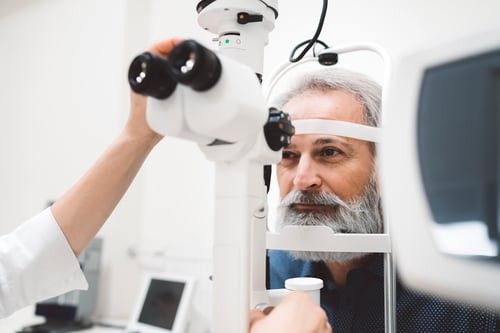
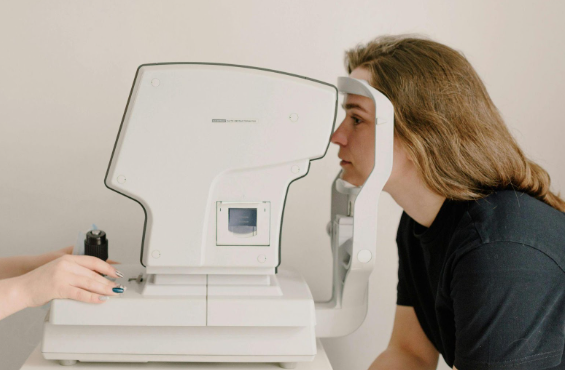
Dry eye and eye allergies can look very similar, so a professional eye examination is often the best way to determine the underlying cause.
You should schedule an evaluation if you experience:
• Persistent redness or irritation
• Ongoing blurry vision
• Eye discomfort that does not improve
• Frequent tearing or dryness
• Light sensitivity
• Symptoms that impede daily activities
An eye care professional can assess tear production, evaluate the ocular surface, and find signs of allergies or other eye conditions.
Finding Relief for Your Symptoms
Proper diagnosis is the primary pathway to effective treatment. Dry eye management may include artificial tears, prescription medications, habit modifications, or advanced therapies. Eye allergy treatment often focuses on avoiding triggers and using antihistamines or anti-inflammatory medications when appropriate.
At Ross Eye Institute at UBMD, we provide comprehensive eye care services to help patients find relief from dry eye symptoms, eye allergies, and other vision concerns. If you are experiencing ongoing eye irritation, scheduling a thorough optical test can determine the source and restore your comfort and eye health.