Understanding Night Vision Problems and What They Mean
Driving at night, walking through poorly lit spaces, or adjusting to darkness can become more difficult when your vision changes. Night vision problems, also called nyctalopia or night blindness, make it hard to see clearly in low light and may make everyday activities less comfortable or safe.
At Ross Eye Institute at UBMD, our eye care specialists evaluate changes in night vision to identify the cause and recommend customized treatment options. Understanding why night vision changes occur can help you take the right steps to protect your eye health.
Night vision problems occur when the eyes have difficulty seeing clearly in dim or dim-light environments. Some people notice symptoms gradually, while others experience a sudden change in their night vision.
Common signs of night vision problems include:
- Difficulty driving at night
- Increased sensitivity to headlights and bright lights
- Trouble seeing in dark rooms
- Difficulty adjusting when switching from bright to dark environments
- Seeing halos or glare around lights
- Blurred or reduced vision in low illumination conditions
- Difficulty recognizing objects or people in dim lighting
Occasional difficulty seeing at night may be normal, but persistent or worsening symptoms should be evaluated by an eye care professional.
What Causes Poor Night Vision?
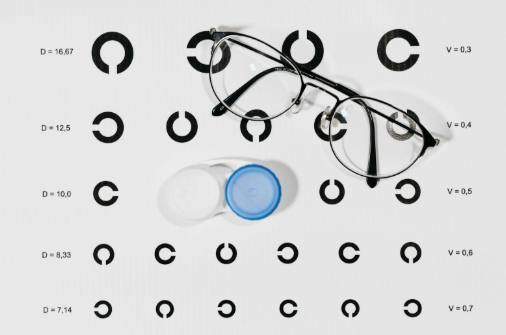
Several eye conditions and vision changes add to poor night vision. A common cause is an outdated glasses or contact lens prescription. Refractive conditions like nearsightedness, farsightedness, and astigmatism can make nighttime vision especially challenging.
Other possible causes include:
- Cataracts: Clouding of the eye’s natural lens can cause glare, halos, and reduced contrast, particularly at night.
- Glaucoma: Changes associated with glaucoma can affect vision and may make navigating low-light environments more difficult.
- Retina disorders: Diseases affecting the retina can interfere with the eye’s ability to function in low light.
- Dry eye disease: An unstable tear film may contribute to variable vision, glare, and discomfort.
- Certain medications or health conditions: Some medications and medical conditions may affect how the eyes adapt to darkness.
Because night vision problems have many causes, a comprehensive eye exam is important to determine what affects your vision.
When Should You Have Your Eyes Examined?
If you regularly struggle with night driving, have increased glare from headlights, or notice changes in your vision in dark environments, schedule an eye exam. Also seek evaluation if symptoms develop suddenly or come with other vision changes.
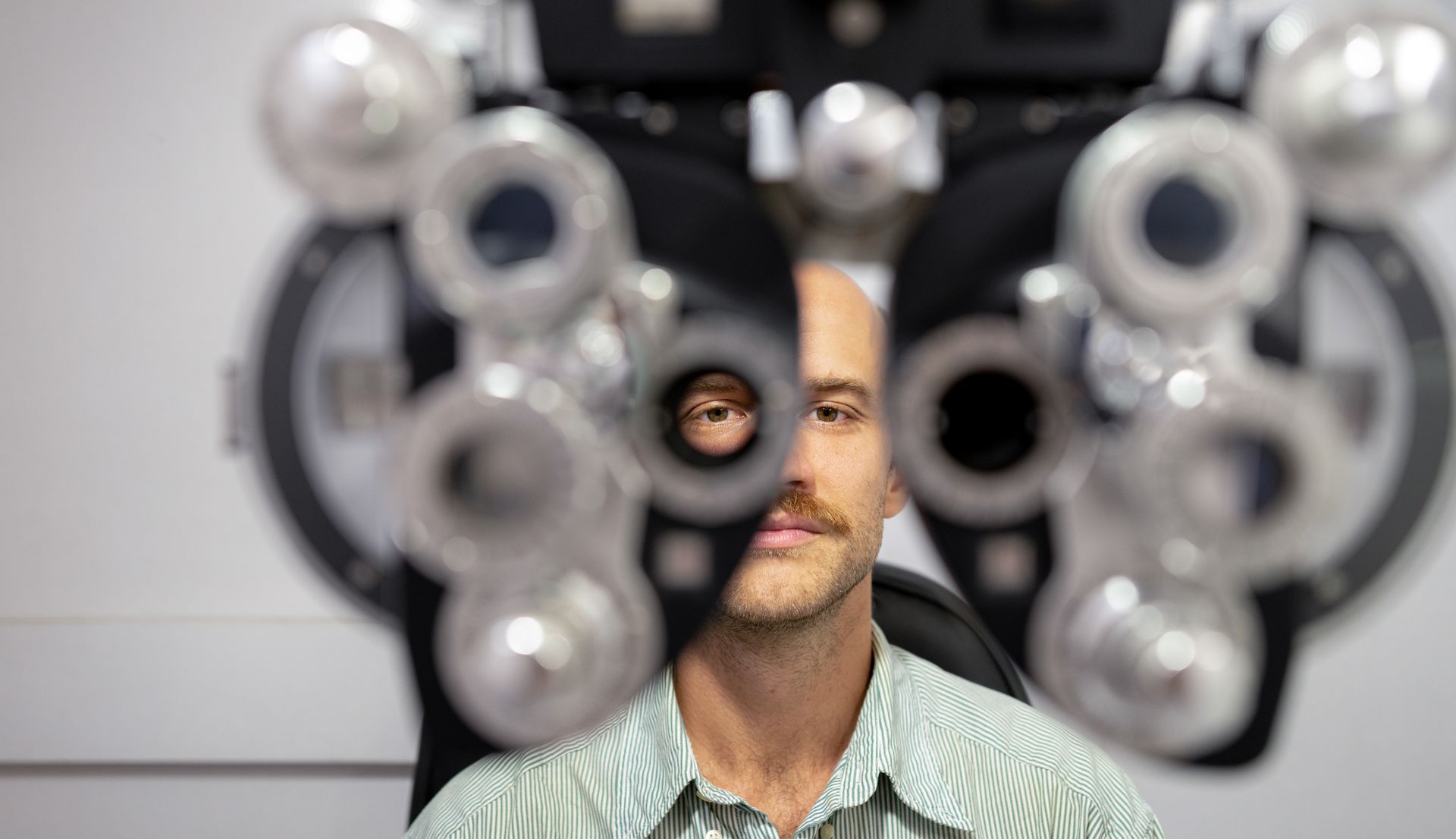
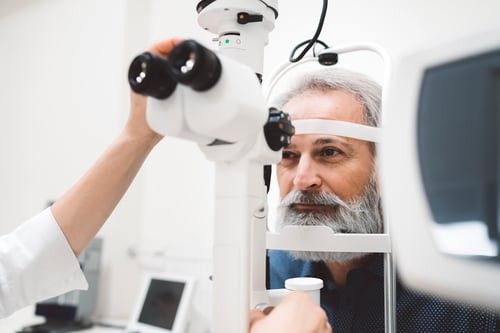
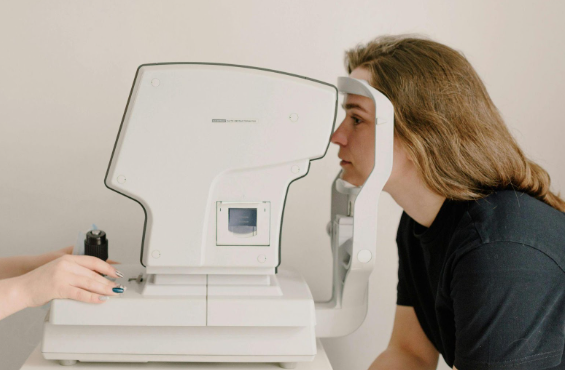
Your eye care provider may evaluate your visual acuity, prescription, eye health, and other structures of the eye to determine the source of your symptoms.
Improving Your Night Vision
Treatment for night vision problems depends on the underlying cause. Updating your prescription may improve vision for patients with refractive errors, while conditions such as cataracts or other eye diseases may require additional treatment.
At Ross Eye Institute at UBMD, we provide comprehensive eye care focused on identifying the cause of vision changes and helping patients preserve clear, healthy vision. If nighttime glare, difficulty seeing in the dark, or other night vision problems are affecting your daily life, schedule an eye exam to learn more about your options.