The Importance of a Yearly Comprehensive Eye Exam
October is observed as Vision Awareness Month, which makes it a perfect opportunity to pay attention to protecting your eyesight and to keep your eye health in good shape. Since regular eye care is an important element of your general health, having an annual full eye examination can enable your eye care professional to spot any changes in your vision and to identify some eye conditions before noticeable symptoms appear.
At the Ross Eye Institute of UBMD our eye care specialists carry out thorough eye exams in order to check your vision and examine your eye health. Although a large number of people arrange for an eye examination when they notice a change in their vision, it is also important to have routine exams even when your eyes feel fine and your vision appears normal.
An eye examination doesn't just tell you whether you need glasses or a prescription change; during the exam, your eye care provider can detect signs of several conditions that may affect your vision and overall health.
Conditions that may be detected during an eye exam include:
• Diabetes and diabetic eye disease
• Glaucoma
• Retinal abnormalities
• Cataracts
• Macular degeneration
• Changes affecting the optic nerve
Some eye conditions can progress gradually without obvious symptoms at first. With regular examinations, your eye care provider can identify changes over time and suggest appropriate treatment or further testing if needed.
What Happens During a Comprehensive Eye Exam?
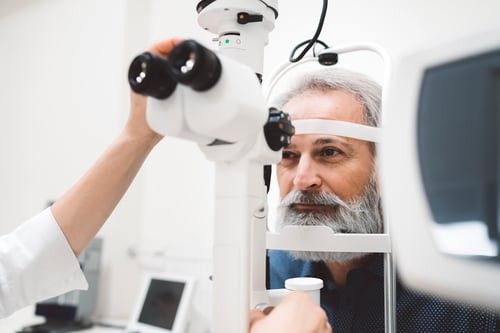
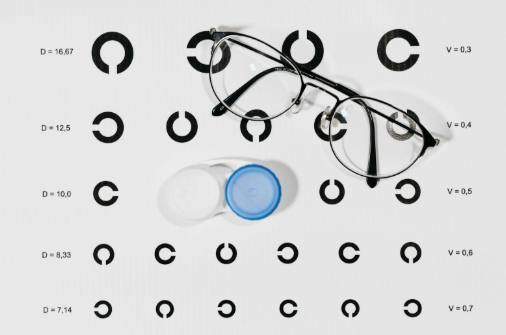
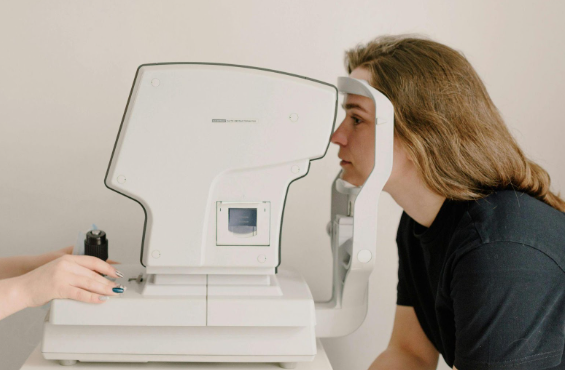
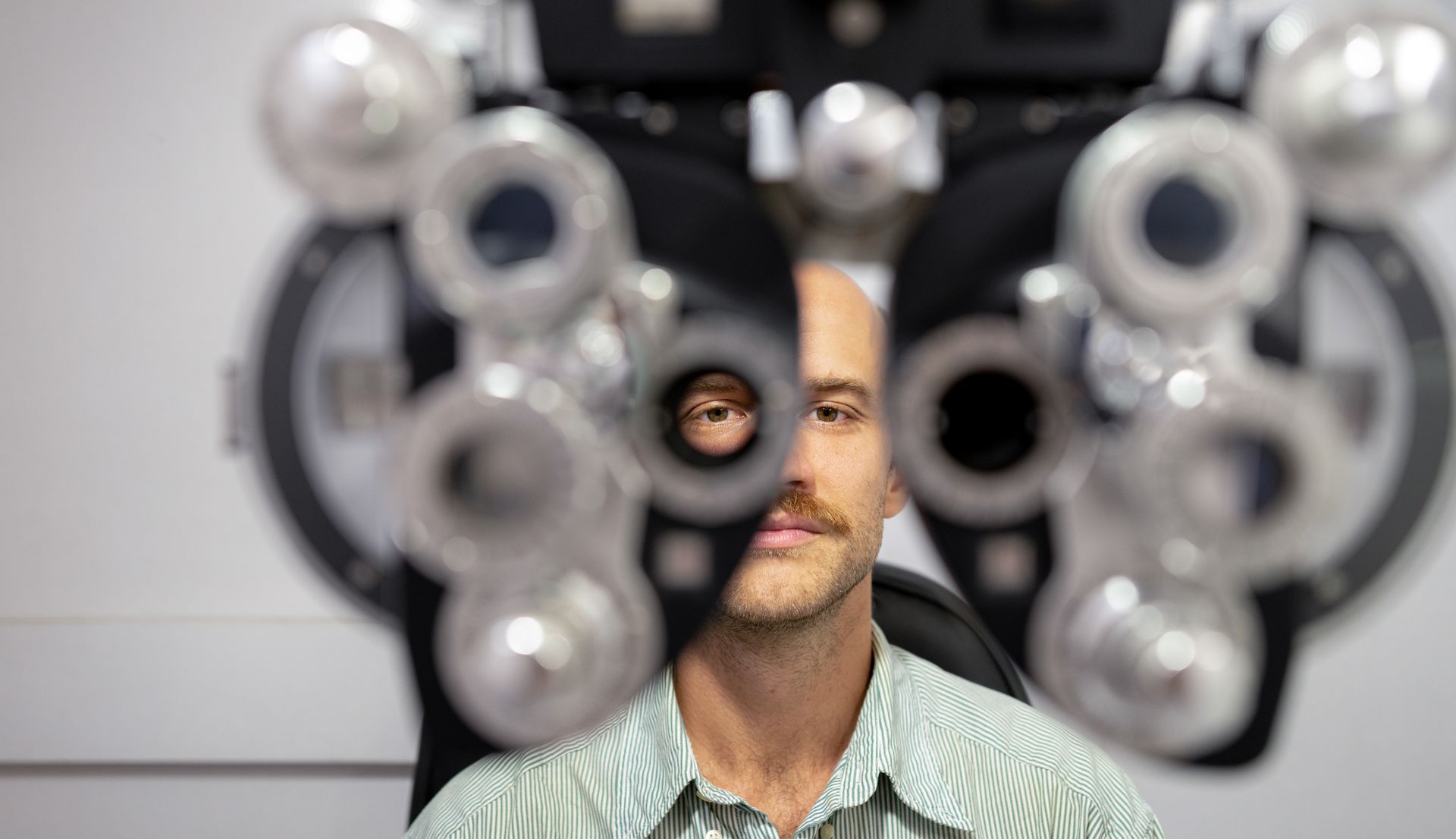
An eye examination goes beyond assessing your ability to read the letters on an eye chart, and your eye care provider might examine your visual acuity, your eye movements, your pupils, your eye pressure, and the general health of the various structures inside and around your eyes.
Your doctor might also examine your retina and optic nerve for signs of disease or other abnormalities, depending on your circumstances and risk factors. Such examinations are especially important for people who have conditions like diabetes or who are at greater risk of glaucoma or retinal disease.
Why Annual Eye Exams Matter
Including an annual eye examination in your regular healthcare routine helps keep you informed about your vision and eye health. It may detect early signs of a condition that needs monitoring or treatment, even if you don't notice any changes in your eyesight.
How often you need eye exams may vary based on your age, medical history, family history, vision needs, and risk factors. Your eye care physician will be able to advise you on how often you should have a full eye examination based on your particular circumstances.
Protecting Your Vision Through Regular Eye Care
Vision Awareness Month reminds us that eye care should be an ongoing priority. Routine eye exams can help detect changes in your vision and provide useful information about your eye health.
At the Ross Eye Institute of UBMD, we offer thorough eye care to help patients keep their vision healthy. If it has been a year or longer since your last examination, you should discuss with your eye care provider the idea of arranging a comprehensive eye exam and finding out more about how to protect your vision.