One Pair Isn’t Always Enough: Why Different Activities May Call for Different Eyewear
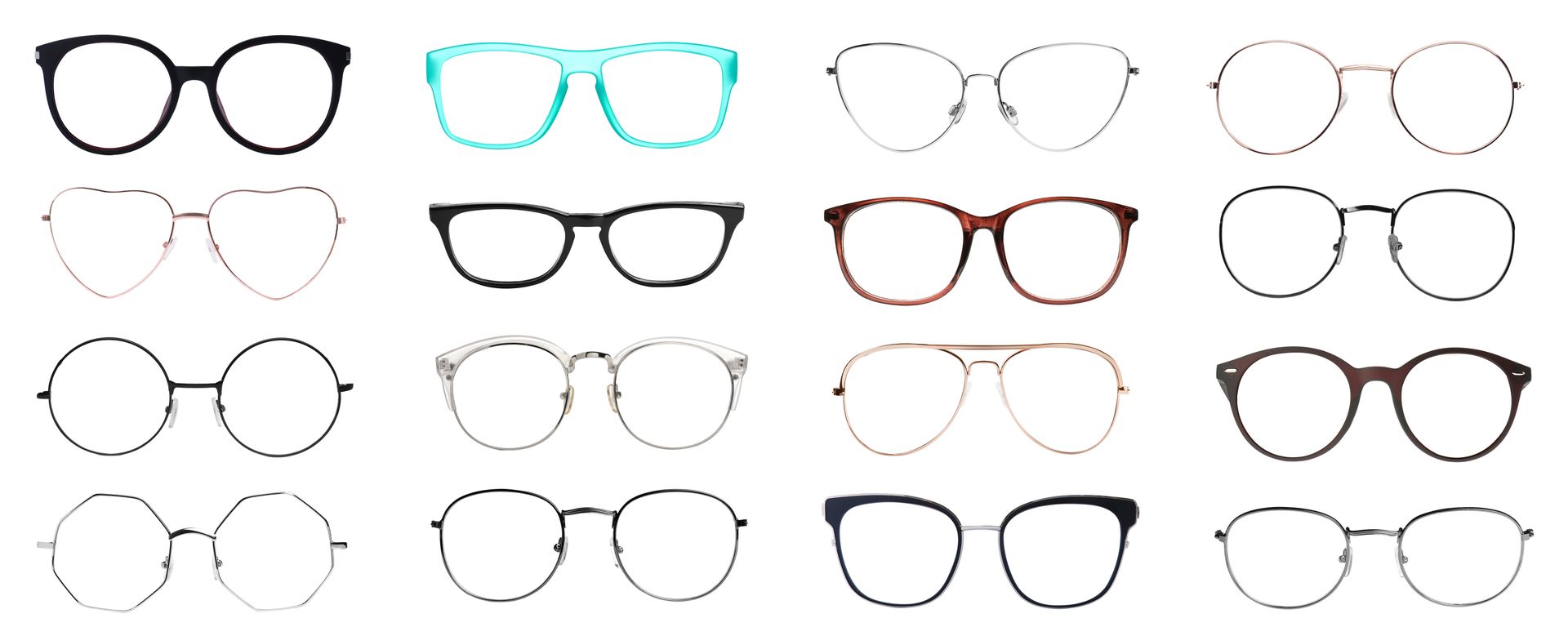
Choosing the right glasses is about more than just getting help to see properly. Different activities have different visual demands (reading a book, working at a desk, driving, playing sport, being out in the countryside, etc). A pair of glasses that are ideal for one activity may not be the best for another. Having a different pair of glasses for each activity can help you see comfortably and meet the specific visual requirements of that activity.
At the Ross Eye Institute of UBMD, our eye care specialists know that good vision matters and that you need the correct glasses or contact lenses to suit your lifestyle. The right pair of glasses or contacts can make a real difference in how you go about your day, and it's important to know your options so you can make the right decision for your vision care.
Why Different Activities May Require Different Eyewear
Your eyes don't have the same demands throughout the day. Reading a book is a very different proposition to driving in terms of what your eyes have to do. Reading requires you to be looking at something very close to your face. Driving on the other hand requires you to see clearly at a distance and be aware of your surroundings. Working at a computer for long periods of time is essentially a case of looking at an intermediate distance for hours on end.
Depending on your prescription and your visual requirements, a single pair of glasses may be sufficient in some situations. You may well find that you benefit from having separate glasses for different activities.
Different eyewear options may include:
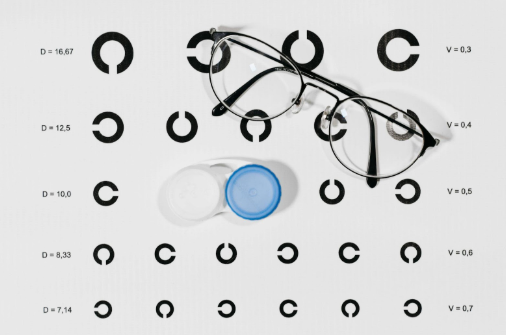
- Everyday glasses: prescription glasses can help to correct refractive errors (e.g. myopia, hyperopia and astigmatism).
- Reading glasses: for people who have difficulty focusing on near objects (those with age-related changes in near vision).
- Computer glasses: depending on your prescription and your workstation setup, they may well provide comfortable vision at your computer screen.
- Prescription sunglasses: these provide vision correction and at the same time help protect your eyes from the sun's UV rays (if they have appropriate UV protection).
- Sports eyewear (protective eyewear designed for specific sports) can help to improve visual performance and lower the risk of eye injury.
The best options for you will be down to your prescription, your lifestyle and your individual eye health requirements.
The Benefits of Choosing Eyewear for Your Lifestyle
Wearing the right eyewear for the activity you're engaged in can go a long way to making sure you have clear, comfortable vision all day. If you're someone who spends a lot of time at a computer then you may well benefit from having a discussion with your optician about screen distance correction. If you're an outdoor person then you'll probably need a pair of sunglasses that provide good UV protection. People involved in sport will of course need impact resistant protective eyewear.
Using the right glasses can also help you avoid having to compromise when undertaking different visual tasks. Glasses prescribed for one purpose may not be appropriate for another. Reading glasses for example are generally not appropriate for driving.
If you're suffering from frequent eye strain, headaches, blurred vision or difficulty focusing at certain times then an eye test can help establish whether your prescription or glasses need to be reviewed.
How to Determine Which Eyewear Is Right for You
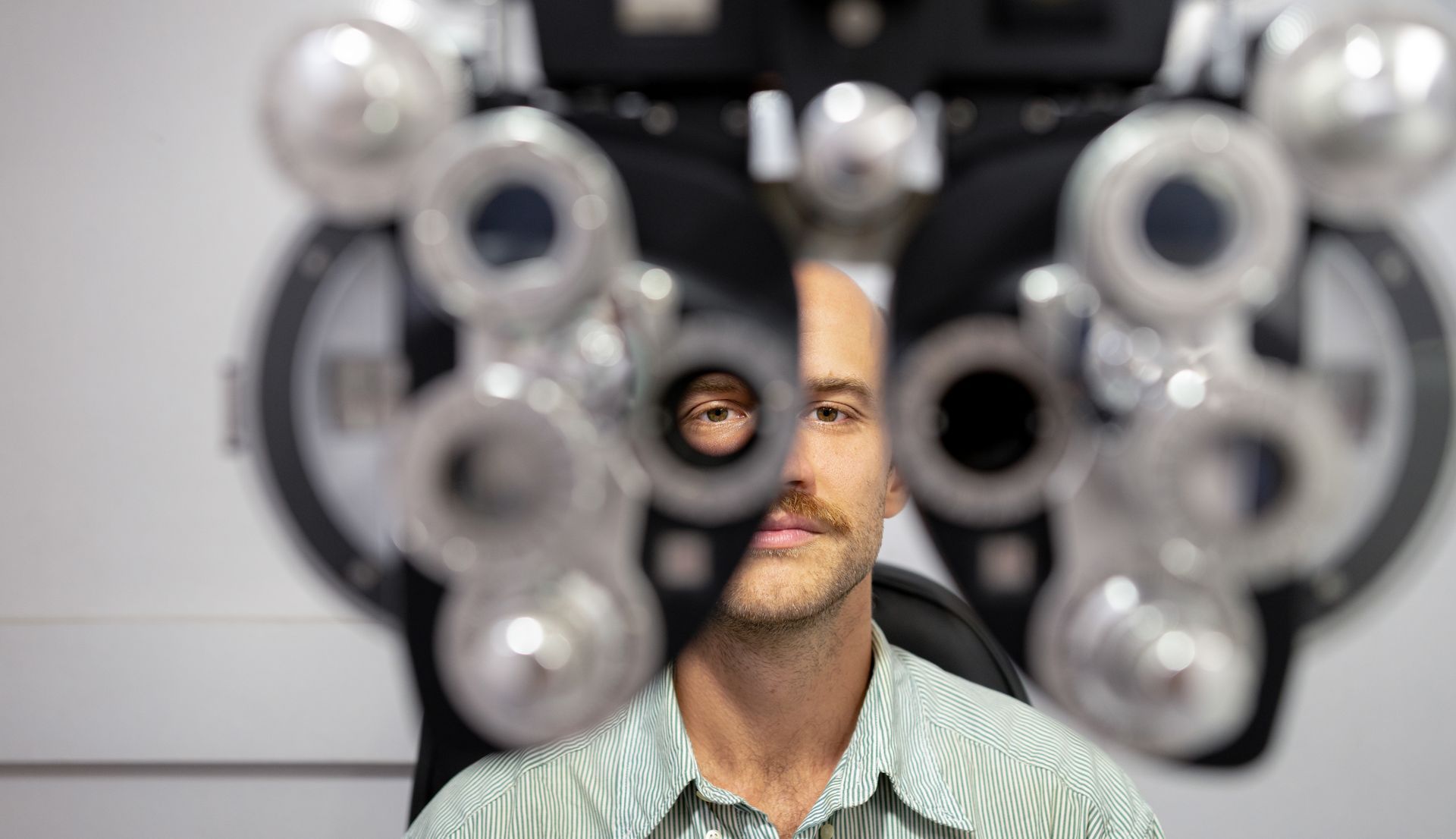
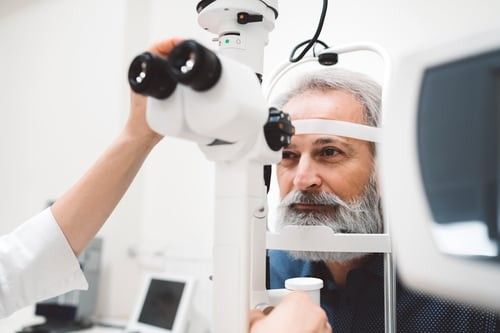
Choosing the right glasses starts with an understanding of your vision. As part of a full eye exam, your optician will assess your vision, prescription, and any problems you have with day-to-day activities.
Make sure you tell them how you use your eyes during the day. How much time do you spend reading? How much time do you spend in front of a computer or other digital screen? How much driving do you do? How much time do you spend outdoors? All of this information will be of value in helping them to recommend the right type of glasses for you.
It's also important to have regular eye tests even if your current glasses are working fine. Your prescription and eyesight can change over time, and regular eye care helps monitor your vision and eye health.
Finding the Right Eyewear for Clear, Comfortable Vision
Having more than one pair of glasses isn't essential for everyone but different activities may well require a different type of glasses (or eye protection). It's all down to your individual needs and the activities you're likely to be doing. Knowing your options will help you to find the right glasses for your lifestyle and your visual needs.
At Ross Eye Institute of UBMD our eye care professionals provide comprehensive eye care to help you understand your vision needs and work through the various options that are available. If you have any questions about your current glasses or are wondering whether another type of glasses might be of benefit to you, book an appointment to talk through your options and find out more about how you can protect your vision.