Glaucoma: The Silent Thief of Sight

January is National Glaucoma Awareness Month, making this month the best time to learn more about one of the leading causes of blindness worldwide and what you can do to help protect your vision.


Due to its often-unnoticeable symptoms early in its development, glaucoma is commonly dubbed the “silent thief of sight” because by the time most people are diagnosed, they are already suffering from irreversible vision damage. The Glaucoma Research Foundation reports that a person can lose up to 40 percent of their vision before they even notice they have a problem, making awareness and early detection critical to maintaining vision.


What Is Glaucoma Of The Eye?

Glaucoma is an eye condition that results in progressive damage to the optic nerve, a bundle of over 1 million individual nerve endings that broadcasts visual signals from the eye to the brain.


The damage to the optic nerve by glaucoma is associated with an increase in pressure inside of the eye, also called intraocular pressure. This pressure increase can then cause nerve tissue loss that may ultimately result in visual impairment or, if left untreated for a long period of time, even complete blindness. Although it can be managed with surgery and medication, glaucoma has no known cure.


While high intraocular pressure is the primary risk factor for glaucoma, it is not the only factor that causes glaucoma to progress or worsen. Furthermore, not everyone who experiences high eye pressure will develop glaucoma and, conversely, people who do not have high eye pressure sometimes develop glaucoma. It all depends on the individual person’s optic nerve and how much stress it can sustain. Therefore, glaucoma eye damage is more often not the result of overall high pressure in the eyes, but pressure that is too high for a particular individual’s optic nerve.


Who Is At Risk?

Simply put, everyone is at some risk for developing glaucoma. The primary risk factor for glaucoma – as is true with many ocular conditions – is age. Of the more than 3 million Americans diagnosed with glaucoma, the majority are over 40 years old.


That said, some people have a greater risk than others to develop glaucoma. People who have a family history of the disease, high eye pressure, past traumatic eye injuries, long-term corticosteroid use, thin corneas, diabetes or hypertension have a higher chance of developing the condition, as are people of African American or Latin American heritage.


Types Of Glaucoma

Human eyes are constantly producing and secreting a plasma-like liquid known as aqueous humor, which helps maintain the shape of the eye and nourish eye structures, while also serving as a lubricant between the lens and the cornea. However, for as much as is produced, there must also be an equal amount drained to avoid a buildup of excess fluid. For people with glaucoma, their eyes are unable to properly drain this fluid. As a result, intraocular pressure builds, putting increased stress on the optic nerve.


Primary Open-Angle Glaucoma

Most people that are diagnosed have primary open-angle glaucoma. Primary open-angle glaucoma is characterized by the gradual loss of vision over time due to slowly increasing eye pressure. This type of glaucoma can be devastating because people often have no idea they are experiencing problems until they have already sustained serious damage to their vision.


In the early stages of glaucoma, patients are often asymptomatic. This is typically because glaucoma causes peripheral vision loss first, which can be hard for a person to notice. It is only in the later stages of glaucoma that people can start to lose their central vision, which is the vision we use to drive and watch television. Unfortunately, this vision loss is irreversible, so it is important to treat glaucoma as early as possible.


Acute Angle-Closure Glaucoma

While primary open-angle accounts for the majority of glaucoma diagnoses, the less common, more time-sensitive form of the condition is acute angle-closure glaucoma. In this form, the cause is still the buildup of excess intraocular pressure. However, the way and speed at which it develops is vastly different. In acute angle-closure glaucoma, the drainage angle between the iris and cornea becomes completely blocked, creating a sudden and rapid buildup of intraocular pressure.


Acute angle-closure glaucoma develops quickly and presents with substantially more immediate symptoms. Some of these include suddenly blurred vision, severe eye pain, nausea, headaches, vomiting and seeing halos or rainbow rings around lights. The more prominent symptoms associated with this form of glaucoma cannot be ignored and immediate action is necessary to avoid serious vision damage or blindness.


Secondary Glaucoma

In addition to these two primary forms, there are a number of different forms of secondary glaucoma where the cause of the increase of intraocular pressure is known and identifiable. Secondary forms can be caused by traumatic eye injuries, inflammation, medications like corticosteroids or the abnormal formation of new blood vessels in the eye due to ongoing diseases such as diabetes. And, although rare, there is also a congenital form of glaucoma – meaning it was present at birth – that can develop in babies during the pre-natal period. You can learn more about each of these types from the Glaucoma Research Foundation.


Glaucoma Diagnosis

The only way to effectively screen for glaucoma is through a complete eye examination. Checking for high eye pressure alone is not sufficient to diagnose glaucoma since every optic nerve can sustain different amounts of stress. For example, some individuals have high natural intraocular pressure levels that can initially appear to indicate glaucoma, but is entirely natural and not a cause for alarm, while other patients may have low pressure associated with the development of glaucoma.


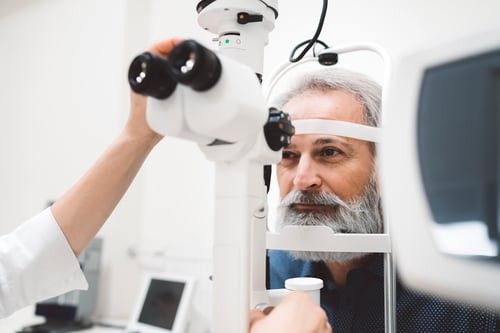
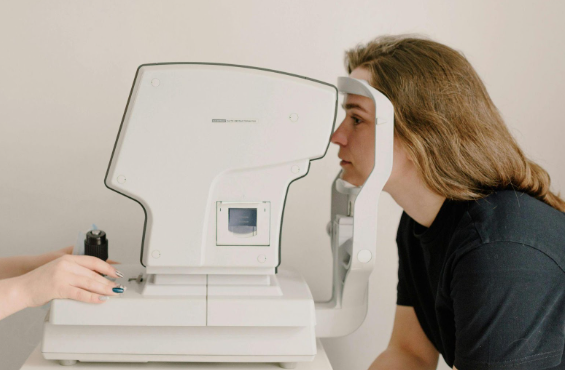
During a full eye exam, an ophthalmologist will not only test eye pressure, but also peripheral vision and the eye’s drainage angle, optic nerve and cornea. By checking all of these different areas of the eye that can be affected by the condition, your doctor is assessing potential damage in parts that may not have surfaced in noticeable ways yet – the classic calling card of glaucoma.


How Is Glaucoma Treated?

The glaucoma eye damage is irreversible and irreplaceable, and the condition cannot be cured. However, that doesn’t mean there aren’t ways to slow or manage its effects.


Glaucoma Medication

Glaucoma can be managed in a few ways. The first, most common way is through eyedrop medications that work to lower eye pressure. Some glaucoma eye medications reduce the production of aqueous humor, while others help fluid pass more easily. No matter which way a certain medication attacks the issue, the goal is to maintain the healthy flow of this fluid while keeping intraocular pressure at acceptable levels.


Glaucoma Surgery – Laser

In addition to the medication route, there are also various surgeries that address and treat glaucoma. Laser surgery is the most common, with two main types of procedures used. The first is known as trabeculoplasty and is used for people with open-angle glaucoma. In this operation, a laser helps the drainage angle work more efficiently. The second type of laser eye surgery is for those with angle-closure glaucoma. In what is called an iridotomy, the surgeon uses a laser to create a small hole in the iris which allows fluid to more freely move, allowing intraocular pressure to decrease.


Glaucoma Surgery – Traditional

There are also non-laser surgical options. The first of those is a trabeculectomy, where a new drainage angle is created by the surgeon in the sclera – the white part of the eye. Doctors can also opt to implant a tiny, artificial drainage device that carries excess fluid to a reservoir in the conjunctiva – the thin membrane covering the inner eyelids – to be absorbed into blood vessels nearby, alleviating high pressure levels.


Don’t Wait Until It’s Too Late

Despite there being no known cure, the treatment options for glaucoma management are promising and effective. However, with the Glaucoma Research Foundation estimating that there could be as many as 3 million undiagnosed cases in the U.S. alone, the need for regular eye exams to detect and diagnose glaucoma early is as important as ever.


Glaucoma is a serious eye condition and requires medical intervention to avoid extensive vision loss, but is only one of a wide range of health conditions that can threaten eyesight as we age. If you have any concerns about your eye health, visit with the professionals at the Ross Eye Institute. Schedule an appointment at any of our three Western New York locations today by calling 716.881.7900.
July 29, 2026
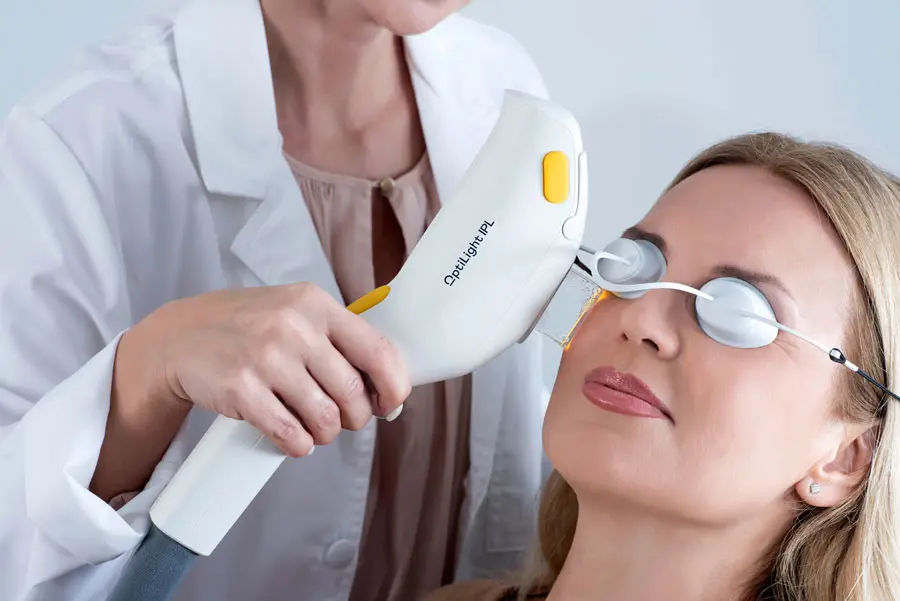
Dry, irritated eyes can make everyday activities such as uncomfortable. Artificial tears and other treatments may deliver temporary relief but do not always provide a permanent solution to the underlying cause of chronic dry eye. For many patients, the problem begins with meibomian gland dysfunction (MGD), a common condition that affects tear film quality. At Ross Eye Institute at UBMD, we use advanced technology to treat the root cause of dry eye with OptiLight® IPL (Intense Pulsed Light) and OptiPLUS™ , helping patients achieve long-lasting comfort and healthier eyes. What Is Meibomian Gland Dysfunction (MGD)? The meibomian glands are tiny oil-producing glands located along the edges of your eyelids. These glands release oils that help prevent tears from evaporating too quickly. When the glands become blocked or stop functioning properly, tears evaporate faster, leading to dry eye symptoms such as: Burning or stinging eyes Redness Blurred vision Gritty or sandy sensation Watery eyes Eye fatigue Light sensitivity MGD is a leading cause of dry eye disease and frequently worsens over time without treatment. What Is OptiLight® IPL? OptiLight® is an FDA-approved Intense Pulsed Light (IPL) treatment specifically tailored to manage dry eye disease associated with meibomian gland dysfunction. During treatment, the skin around the eyes is exposed to controlled pulses of light. These gentle pulses help reduce inflammation, improve meibomian gland function, and decrease abnormal blood vessels that contribute to chronic dry eye. Many patients notice gradual improvement after a series of treatments, with benefits including: Reduced dry eye symptoms Improved tear stability Less eyelid inflammation Greater comfort during daily activities Boosted overall eye health The procedure is non-invasive, requires little or no downtime, and usually takes a short office visit. What Is OptiPLUS™? OptiPLUS™ is often used alongside OptiLight® to deliver a more comprehensive treatment for dry eye disease. Following IPL therapy, OptiPLUS™ gently clears blockages from the meibomian glands, allowing healthy oils to flow more freely into the tear film. This combination targets both inflammation and gland obstruction, two major contributors to evaporative dry eye. Through combining these advanced technologies, patients may experience more effective and longer-lasting relief than with traditional treatments alone. Who May Benefit from IPL Dry Eye Treatment? OptiLight® and OptiPLUS™ may be recommended for patients who: Have chronic dry eye symptoms Have been diagnosed with meibomian gland dysfunction Depend on artificial tears multiple times each day Experience eyelid inflammation or redness Have not found sufficient relief from conventional treatments Spend long hours using digital devices A comprehensive eye exam lets your eye care specialist determine if these treatments suit your individual needs. What to Expect During Treatment Your provider will first evaluate your eyes and eyelids to determine the severity of your dry eye disease and meibomian gland function. During an OptiLight® session, protective shields cover the eyes while pulses of light are delivered to the treatment area. Patients often describe the sensation as a mild snapping against the skin. If OptiPLUS™ is included in your treatment plan, your provider will then gently express the meibomian glands to remove blockages and restore healthy oil flow. Most treatment plans include a series of treatments scheduled several weeks apart to get the best possible results. Find Lasting Relief from Dry Eye Living with chronic dry eye does not have to be your new normal. Advanced therapies like OptiLight® IPL and OptiPLUS™ treat the underlying causes of evaporative dry eye rather than just masking symptoms.  At Ross Eye Institute at UBMD, our experienced eye care specialists extend personalized dry eye evaluations and advanced treatment options to help restore comfort, improve tear quality, and protect your long-term eye health. If dry, irritated eyes are affecting your quality of life, schedule an appointment to learn whether OptiLight® and OptiPLUS™ are right for you.
June 30, 2026
Red, itchy, irritated eyes can be frustrating and uncomfortable. Many people assume these symptoms are caused by allergies, but dry eye syndrome can produce similar signs. Understanding the difference between dry eye and eye allergies is important to find the right treatment and protect your long-term eye health. At Ross Eye Institute at UBMD, our specialists work hard to identify the source of their symptoms and develop specific treatment plans to improve comfort and vision. Understanding Dry Eye Dry eye occurs when the eyes don’t make sufficient tears or when they evaporate too quickly. Tears play a key part in keeping the surface of the eye lubricated, nourished, and protected. Several variables lead to dry eye syndrome, including: • Aging • Extended screen time • Certain medications • Hormonal changes • Environmental conditions such as wind or dry air • Preexisting health conditions Dry eye symptoms may include: • Burning or stinging sensations • Gritty or sandy feeling in the eyes • Blurred vision • Eye fatigue • Sensitivity to light • Excessive tearing as a response to irritation Symptoms often worsen after reading, computer use, or prolonged visual tasks, so many patients notice discomfort later in the day. Understanding Eye Allergies Allergic conjunctivitis is a reaction to environmental allergens in which the eyes become inflamed. Common triggers include pollen, dust mites, pet dander, mold, and seasonal allergens. When the eyes come into contact with an allergen, the immune system responds by sending histamines through the body that cause inflammation and irritation. Common symptoms of eye allergies include: • Intense itching • Redness • Watery eyes • Swollen eyelids • Burning sensations • Mucus discharge Unlike dry eye, allergy symptoms often occur alongside other allergy-related issues such as sneezing, nasal congestion, or a runny nose. Key Differences Between Dry Eye and Eye Allergies Although the symptoms can overlap, several important differences may help distinguish between the two conditions. Itching Is More Common with Allergies Itching is often the hallmark symptom of eye allergies. While dry eye may cause irritation or discomfort, significant itching is more likely to be associated with an allergic reaction. Dry Eye Often Causes a Gritty Feeling Many patients with dry eye describe feeling as though sand or a foreign object is trapped in their eyes. This experience is less common with allergies. Allergies Usually Produce More Tearing Eye allergies often trigger excessive watering as the body responds to allergens. Dry eye can also cause reflex tearing, yet the eyes still feel dry. Symptoms May Follow Seasonal Patterns If symptoms worsen during spring or fall allergy seasons, eye allergies may be the cause. Dry eye symptoms persist year-round and may worsen in dry environments or during lengthy screen use. When to Schedule an Eye Examination Dry eye and eye allergies can look very similar, so a professional eye examination is often the best way to determine the underlying cause. You should schedule an evaluation if you experience: • Persistent redness or irritation • Ongoing blurry vision • Eye discomfort that does not improve • Frequent tearing or dryness • Light sensitivity • Symptoms that impede daily activities An eye care professional can assess tear production, evaluate the ocular surface, and find signs of allergies or other eye conditions. Finding Relief for Your Symptoms Proper diagnosis is the primary pathway to effective treatment. Dry eye management may include artificial tears, prescription medications, habit modifications, or advanced therapies. Eye allergy treatment often focuses on avoiding triggers and using antihistamines or anti-inflammatory medications when appropriate. At Ross Eye Institute at UBMD, we provide comprehensive eye care services to help patients find relief from dry eye symptoms, eye allergies, and other vision concerns. If you are experiencing ongoing eye irritation, scheduling a thorough optical test can determine the source and restore your comfort and eye health.
How Systemic Diseases Show Up in the Eyes
May 31, 2026
The eyes often reveal early signs of systemic health conditions, such as diabetes, high blood pressure, and autoimmune disorders, before other symptoms develop.
Ocular Migraines: What They Are and When to Seek Care
May 1, 2026
Ocular migraines can be frightening, especially for those who experience visual disturbances without warning. Although often temporary...
Eye Floaters and Flashes: When Are They a Warning Sign?
April 20, 2026
Many people notice eye floaters and flashes at some point in their lives. Most of the time, these symptoms are harmless, but sometimes they can...
What Causes Sudden Vision Changes? When It’s an Emergency | Rosseye.com
March 1, 2026
Sudden vision changes are alarming and shouldn’t be ignored. If it’s blurriness, light flashes, or vision loss, these signs may indicate a serious underlying eye condition.
February 1, 2026
Seasonal Eye Care in Western New York: How Snow, Wind, and Cold Affect Your Vision
When to Choose Specialty Contact Lenses | Ross Eye Institute
January 1, 2026
For those with unique vision challenges, irregular corneas, or complex prescriptions, specialty contact lenses can make all the difference.
Specialized Care for Diabetic Retinopathy | Ross Eye Institute
December 2, 2025
For individuals living with diabetes, that window to the world can blur, leading to one of the most common yet preventable complications: Diabetic Retinopathy.
Caring for Our Eye Health as We Age | Ross Eye Institute
November 4, 2025
Here’s what you need to know about how aging affects your eyes, what to watch for, and how to keep your vision strong and healthy.